 BirthstoneMeaning
 Aries Birthstone
 Taurus Birthstone
 Gemini Birthstone
 Cancer Birthstone
 Leo Birthstone
 Virgo Birthstone
 Libra Birthstone
 Scorpio Birthstone
 Sagittarius Birthstone
 Capricorn Birthstone
 Aquarius Birthstone
 Pisces Birthstone
 Peridot Meaning
 Garnet Meaning
 Amethyst Meaning
 Aquamarine Meaning
 Diamond Meaning
 Emerald Meaning
 Pearl Meaning
 Ruby Meaning
 Blue Sapphire Meaning
 Opal Meaning
 Topaz Meaning
 Turquoise Meaning
 Moonstone Meaning
 Tourmaline Meaning
 Citrine Meaning
 Tanzanite Meaning
 Alexandrite Meaning
 Spinel Meaning
 Sardonyx Meaning
 Zircon Meaning
 Lapis Lazuli Meaning
 Rose Quartz Meaning
 Onyx Meaning
 Labradorite Meaning
 Malachite Meaning
 Jade Meaning
 Agate Meaning
 Carnelian Meaning
 Clear Quartz Meaning
 Black Tourmaline Meaning
 Smoky Quartz Meaning
 Sodalite Meaning
 Obsidian Meaning
 Fluorite Meaning
 Selenite Meaning
 Hematite Meaning
 Howlite Meaning
 September Birthstone
Tarot Card Meanings for Every Card, Upright and Reversed
This is tradition and practice, not medical, financial, or life advice.
Tarot card meanings are the traditional readings tied to each of the 78 cards in a tarot deck: 22 Major Arcana and 56 Minor Arcana split across four suits. Every card carries an upright meaning and a separate reversed meaning for when it turns up upside down. A reader's take on these tarot card meanings shifts with the card's position.
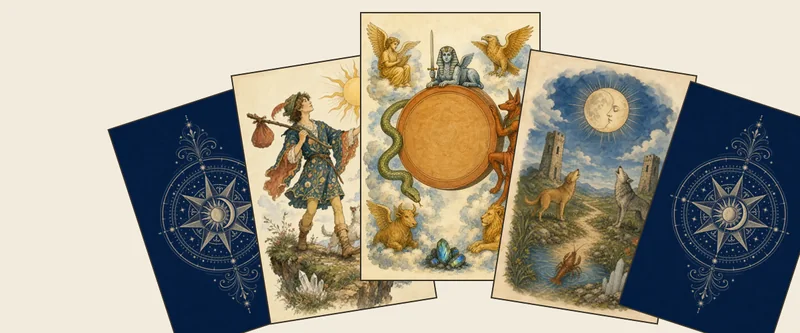
How do upright and reversed tarot card meanings differ?
Tarot card meanings work in two directions for every card. Upright is how most readers describe a card when it lands facing you the normal way, and its meaning comes through fairly directly. Reversed just means the card came out upside down, which tarot practice usually reads as the same theme showing up blocked, delayed, or turned inward, less often pointed straight outward. Not every reader deals reversals at all; plenty read every card upright and lean on its position in the spread instead.
Six cards below link to a full single-card guide with upright and reversed meanings, life-scenario examples, and a paired zodiac sign and crystal, including the court card King of Pentacles and the pip card Eight of Pentacles.
What do the 22 Major Arcana cards mean?
Cards 0-7: The Fool to The Chariot
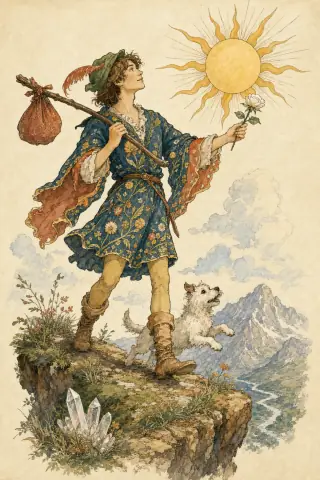
0. The Fool
The Fool upright marks a fresh start. You step forward without a full plan, trusting the ground will hold once you're already moving.
Reversed: Reversed, The Fool usually points to a warning sign you skipped. Recklessness, or a leap made with no real preparation behind it, is the common read.
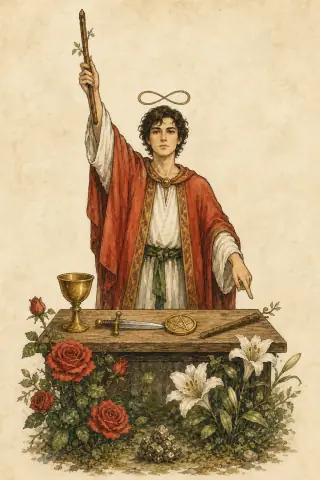
1. The Magician
The Magician upright says the tools you need are already on the table. Skill, timing, and will all line up if you're ready to use them.
Reversed: Reversed, The Magician points to a trick that won't hold. Someone, maybe you, is overselling what's really there, and the resources look thinner up close.
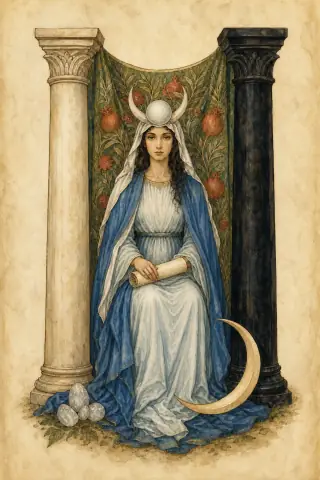
2. The High Priestess
In tarot, The High Priestess is a card of held-back knowledge. Something true hasn't surfaced yet, and patience serves you better than pushing for it.
Reversed: Reversed, a secret gets out. A hidden fact surfaces, or an instinct you kept talking yourself out of turns out to have been right.
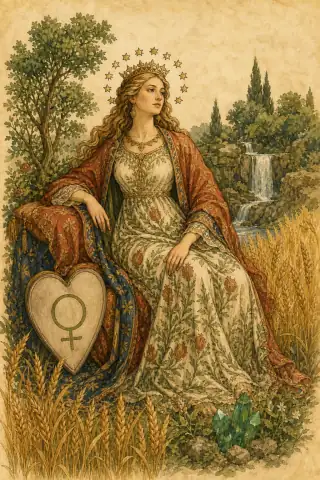
3. The Empress
The Empress upright is growth already underway, a relationship, a project, or a body of work that's ready to be fed and given time.
Reversed: Reversed, that growth stalls. Readers often read this as something under-fed, smothered, or stuck running on somebody else's schedule, never its own.
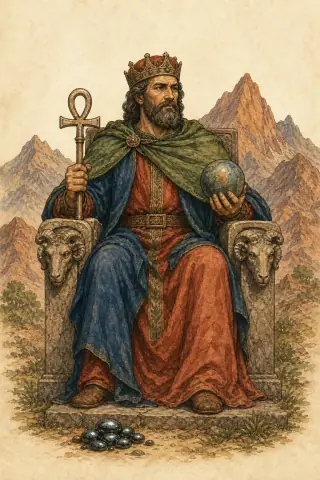
4. The Emperor
The Emperor upright is structure that actually works: rules, authority, and a plan that holds because someone is enforcing it.
Reversed: Reversed, that structure turns rigid or goes missing entirely. Read it as control kept for its own sake, or a leader who stopped showing up.
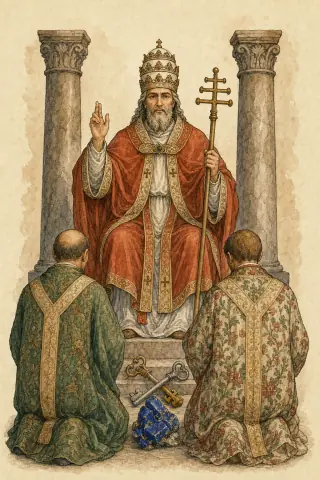
5. The Hierophant
The Hierophant upright favors the established route: a teacher, an institution, or a tradition worth following when you don't want to work it out alone.
Reversed: Reversed, the rulebook loses its grip. You go your own way, though traditionally that costs you some of the guidance and approval you'd have kept otherwise.
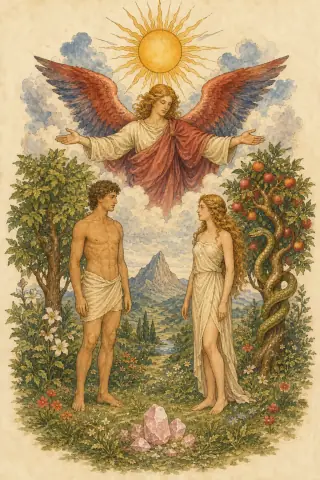
6. The Lovers
The Lovers upright is a real choice made with full agreement, whether that's a partnership, a relationship, or any decision you can stand behind completely.
Reversed: Reversed, a real mismatch surfaces. Mixed signals, a choice made to avoid conflict, or wanting two incompatible things at once all point the same direction: something here needs an honest look, not a quick patch.
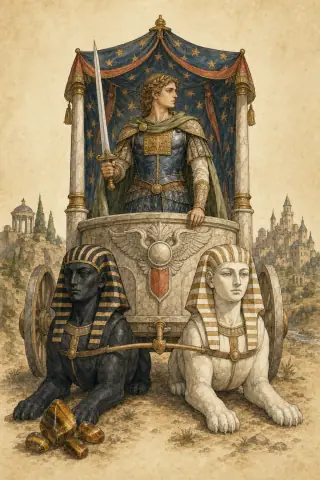
7. The Chariot
The Chariot upright is momentum you can actually steer, travel, competition, or a plan pushed through resistance by sheer will.
Reversed: Reversed, the wheels come off. You're pulled in two directions at once, overcommitted, or running on fuel that was never yours to begin with.
Cards 8-14: Strength to Temperance
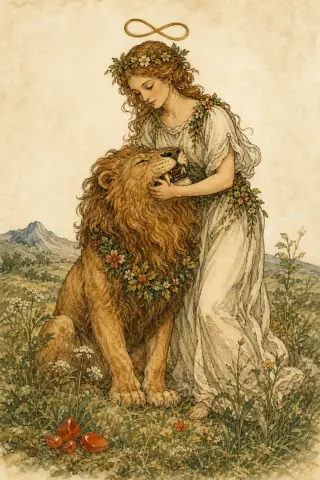
8. Strength
Strength upright wins through patience, not force. Staying calm and steady for longer than the problem lasts is the whole method.
Reversed: Reversed, confidence slips. A flash of temper, a wave of self-doubt, or running on empty can take over, and the steady grip this card usually offers goes missing for a while.
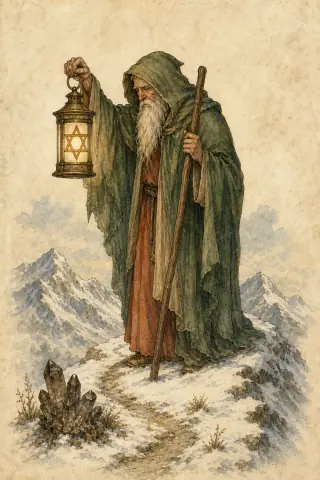
9. The Hermit
The Hermit upright calls for withdrawal. Step back from the noise and work the problem out alone before you act on it.
Reversed: Reversed, solitude has tipped into avoidance. What once helped you think clearly now just keeps you apart from people who could actually help, and stepping back into contact is overdue.
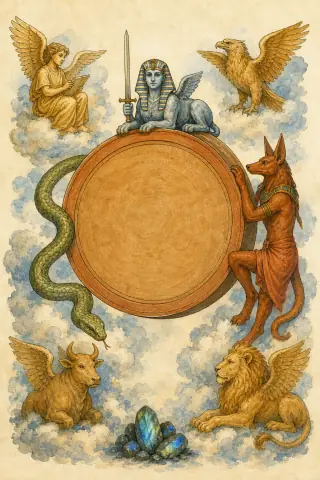
10. Wheel of Fortune
The Wheel of Fortune upright says timing is doing the work here, not effort. A cycle turns in your favor for reasons partly out of your hands.
Reversed: Reversed, momentum works against you for now. A stretch of bad timing, a stalled opportunity, or the same setback resurfacing all fit this position, and changing your own approach works better than waiting it out.
Read the full Wheel of Fortune guide →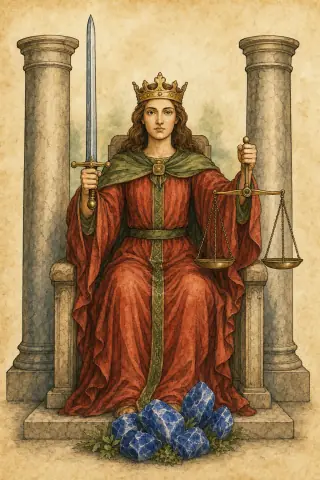
11. Justice
Justice upright follows the evidence. The facts decide this one with no sentiment added, so look honestly at what you can actually document.
Reversed: Reversed, the scales tilt. Expect an unfair call, a biased read, or a consequence that's been building while you looked the other way.
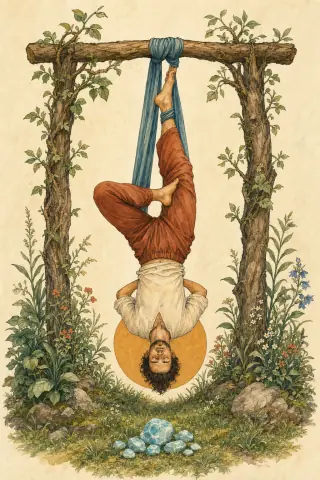
12. The Hanged Man
The Hanged Man upright means nothing moves yet. You're meant to sit still and look at the situation from an angle you haven't tried.
Reversed: Reversed, stagnation finally breaks. Movement returns on its own, or you make the call yourself and walk away from a sacrifice that was never being repaid.
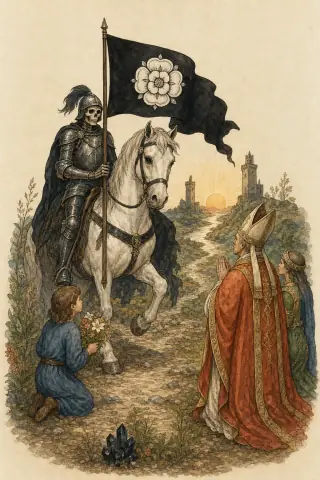
13. Death
Death upright is an ending doing the talking. A chapter is closing, and whatever you asked about won't continue on in its current shape.
Reversed: Reversed, you're the one holding the door shut. Change stays stalled until you let go of what you keep trying to revive.
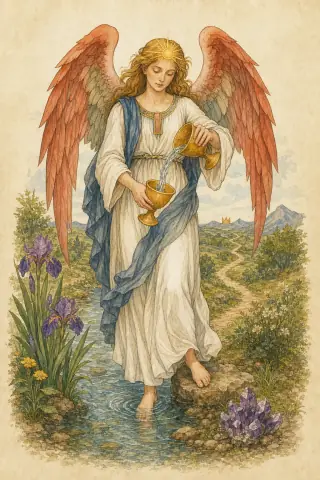
14. Temperance
Temperance upright favors the middle path: patience, a slower pace, and two things blended carefully over time, never forced together too fast.
Reversed: Reversed, the mix goes wrong. Too much of one ingredient, or not enough patience, and the combination just refuses to work.
Read the full Temperance guide →Cards 15-21: The Devil to The World
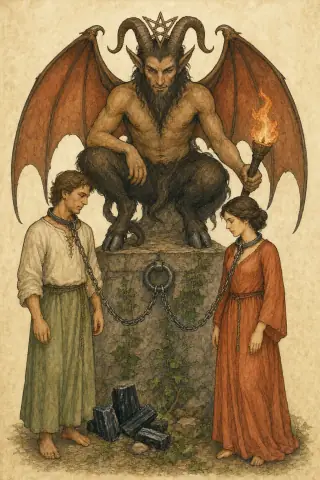
15. The Devil
The Devil upright names an attachment holding you in place: a habit, a contract, or a person. Look closely and the chain is looser than it feels.
Reversed: Reversed, you see the arrangement clearly and step out of it, even though leaving costs you something real in the short term.
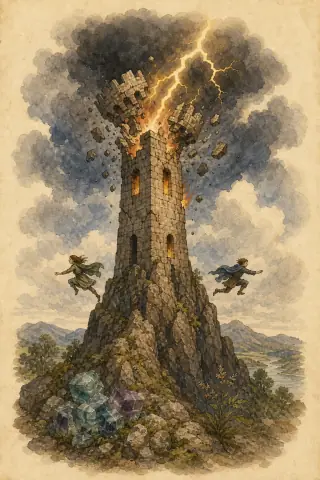
16. The Tower
The Tower upright is a sudden collapse. Something you were counting on gives way because the foundation underneath it was already cracked.
Reversed: Reversed, the crash doesn't vanish; it changes shape. A narrow escape, a slower unraveling, or a hard change you choose to make yourself, on your own terms, beats having it forced on you.
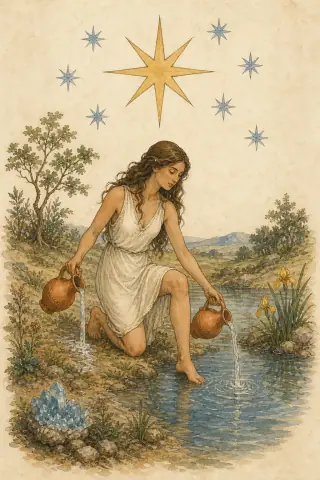
17. The Star
The Star upright arrives after the wreckage and offers hope on a long timeline. Keep whatever faith you have left and things slowly start to refill.
Reversed: Reversed, hope runs low. Discouragement, comparison, or a lost sense of direction takes over until you restock your own reserves first.
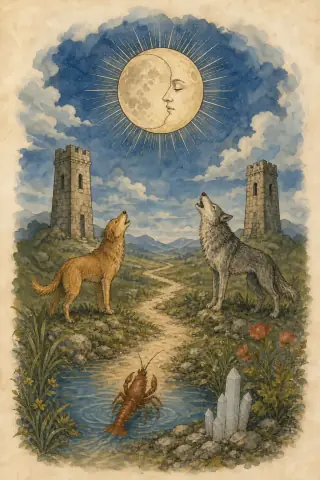
18. The Moon
The Moon upright means you're working from incomplete information. Fear and half-truths are shaping the picture more than the actual facts are.
Reversed: Reversed, clarity returns. Something you couldn't see straightens out, a fear you were carrying turns out to be smaller than it felt, and the picture stops shifting once real information arrives.
Read the full The Moon guide →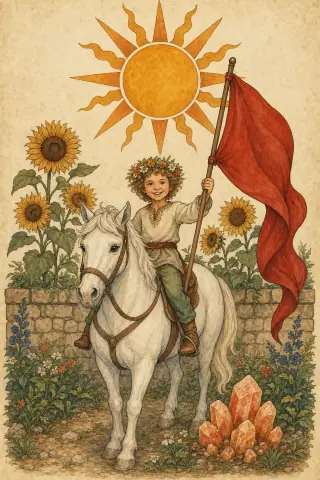
19. The Sun
The Sun upright is about as good as tarot readings get: clarity, good news, and success that doesn't come with a hidden catch.
Reversed: Reversed, the same good outcome still tends to show up, just later, smaller, or dimmed by your own doubt getting in the way.
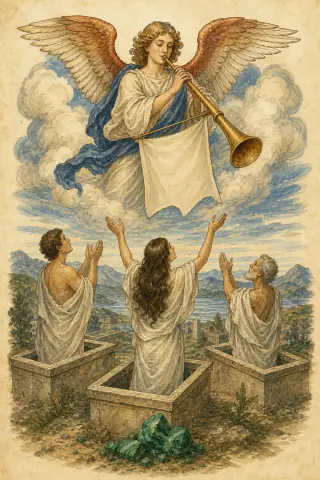
20. Judgement
Judgement upright is a call to account. Traditionally you get a clear yes once you're honest about your own part in the story.
Reversed: Reversed, Judgement stalls. You already know what needs facing, but avoidance or a shaky sense of your own worth keeps you from making the call you've been putting off.
Read the full Judgement guide →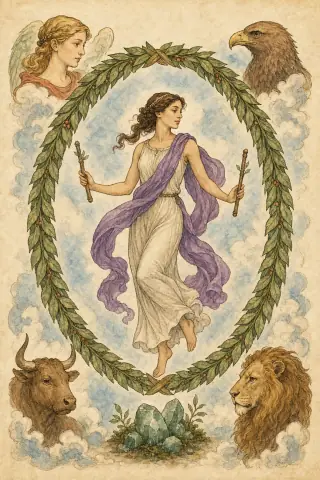
21. The World
The World upright marks completion. A trip finishes, a deal signs, a project reaches its natural end in good order.
Reversed: Reversed, the finish line moves. One loose requirement is still outstanding, so treat this as almost done. It isn't finished yet.
What do the 56 Minor Arcana cards mean?
Wands
Ace of Wands
The Ace of Wands points to a burst of raw energy, a new idea, or a project you suddenly feel ready to start.
Reversed: In tarot, reversed often means that early spark cools fast, leaving a plan that never gets off the ground.
Two of Wands
You have already built something solid, and now you are staring at the horizon, weighing your next big move.
Reversed: Second thoughts creep in here, a nagging worry, or a plan that suddenly feels too small once you look closer.
Three of Wands
Traditionally, your plans are already in motion, and the results are still on their way, like ships that have not yet reached the harbor.
Reversed: Delays, a stalled deal, or a partner not carrying their share of the work can slow you down when this card falls reversed.
Four of Wands
This card usually marks a homecoming, a celebration, or a stretch of calm after real effort has paid off.
Reversed: That same warmth can arrive late here, with a celebration postponed while the good feeling underneath stays real.
Five of Wands
Small clashes, competing egos, or friendly rivalry crowd this card, as everyone pushes their own idea forward at once.
Reversed: The noise settles when this card is reversed, though tension that never got named can still simmer underneath.
Six of Wands
Many readers take this card as a sign of recognition, a win people can see, and news that finally goes your way.
Reversed: Doubt can creep into the applause here, and a win you expected might get delayed or quietly taken back.
Seven of Wands
You are holding your ground against pressure from several directions, and in tarot this position is usually read as an advantage, not a threat.
Reversed: Pressure from several directions can start to feel like too much when this card is reversed, leaving you unsure whether to keep defending your ground.
Eight of Wands
Events move fast here, messages arrive quickly, and plans that were stuck for weeks suddenly pick up real speed.
Reversed: In tarot, this reversed card often points to delays, crossed wires, or a rush of frustration when things do not move on time.
Nine of Wands
You are tired but still standing, guarded and ready for one more challenge after a long stretch of effort.
Reversed: Readers often take this reversed position to mean exhaustion, obstacles piling up, or a growing wish to just give in.
Ten of Wands
This card often shows success that has turned into a heavy load, as if you are carrying more than you can comfortably hold.
Reversed: Reversed, it can mean setting a burden down, or finally admitting that you took on far more than you needed to.
Page of Wands
A message, an invitation, or a burst of youthful curiosity arrives, often pointing you toward a new interest worth exploring.
Reversed: Reversed, that curiosity turns scattered, and plans or news can arrive late, confused, or in an unreliable form.
Knight of Wands
This knight rides in fast, bringing sudden change, a move, a trip, or a bold decision made in a hurry.
Reversed: That same speed can turn reckless when reversed, leading to a sudden falling out, a delay, or a plan abandoned midway.
Queen of Wands
Traditionally this queen stands for warmth paired with backbone, someone confident, direct, and genuinely supportive of the people around her.
Reversed: That same confidence can curdle into jealousy when this card is reversed, showing up as sharp moods or a partnership where trust quietly breaks down.
King of Wands
In tarot, this king often represents a steady, honest leader, someone people trust and naturally look to for direction.
Reversed: Reversed, that leadership can turn overly strict, and fair judgment gives way to a harsher, less forgiving edge.
Cups
Ace of Cups
In tarot, this ace often opens the door to a fresh wave of feeling, the start of love, friendship, or a creative spark that fills your heart.
Reversed: Flip this card and the picture changes to a false start, bottled up emotion, or a connection that never quite feels steady.
Two of Cups
The Two of Cups speaks to real connection between two people, built on mutual respect, attraction, and genuine care for each other.
Reversed: Turn the Two of Cups upside down and it usually points to a bond that has grown lopsided, with mistrust or feelings that no longer match.
Three of Cups
Three of Cups celebrates friendship and shared joy, the kind of gathering where good news gets toasted and everyone feels included.
Reversed: Upside down, many readers see the Three of Cups as a sign of overindulgence, gossip, or a group where someone quietly feels left out.
Four of Cups
Boredom and quiet dissatisfaction sit at the center of the Four of Cups, where something good waits nearby, but you barely notice it.
Reversed: When this card flips, the numbness starts to lift, and you begin noticing new options or finally accepting an offer you once brushed aside.
Five of Cups
Loss shapes the Five of Cups, but the card also reminds you that two cups still stand upright behind the three that spilled.
Reversed: Its reversed side leans toward acceptance, moving forward after loss, or reconnecting with family and old ties you had once set aside.
Six of Cups
Six of Cups looks back toward childhood and nostalgia, toward a simple happiness that once felt easy, warm, and uncomplicated.
Reversed: Traditionally, this reversal turns your attention forward, toward new beginnings and a fresh chapter that grows out of what came before.
Seven of Cups
A flood of choices, daydreams, and tempting illusions defines the Seven of Cups, and sorting the real option from the fantasy takes real effort.
Reversed: Reversed, the fog clears, pushing you past fantasy toward a real decision, a clear goal, or a plan you finally commit to.
Eight of Cups
Walking away sits at the heart of the Eight of Cups, leaving behind something that looks complete but no longer satisfies you the way it used to.
Reversed: Readers often read this card reversed as a return to joy and lighter company, or as fear that keeps you stuck somewhere you should leave.
Nine of Cups
Often called the wish card, the Nine of Cups points to contentment, comfort, and a sense that things have finally worked out in your favor.
Reversed: Flipped, the wish can turn shallow, pointing to overindulgence or a success that looks good from outside but feels hollow up close.
Ten of Cups
Ten of Cups pictures lasting happiness within family and close relationships, the kind of peace that settles deep into your whole heart.
Reversed: A reversed Ten of Cups often signals tension at home, broken harmony, or values that no longer line up between people who love each other.
Page of Cups
The Page of Cups arrives as a message or invitation, a curious and gentle new idea that asks to be explored with an open heart.
Reversed: In tarot, this page's reversed side often points to emotional immaturity, an insincere message, or feelings used to manipulate someone else.
Knight of Cups
Knight of Cups rides in with a romantic offer, an invitation, or news that speaks straight to your emotions and imagination.
Reversed: Charm can turn hollow when this knight reverses, and many readers take it to mean empty promises or a proposal that hides some form of deception.
Queen of Cups
Queen of Cups embodies emotional intelligence and compassion, the kind of intuition that helps you sense what others need before they say it.
Reversed: Reversed, this queen's caring surface can hide moodiness, emotional manipulation, or intentions that are harder to trust than they first appear.
King of Cups
King of Cups represents calm emotional mastery, a steady presence who stays fair and balanced even when feelings run high around him.
Reversed: This king can turn moody or manipulative when reversed, leaning on emotional pressure and control more than on open fairness.
Swords
Ace of Swords
A single sharp idea cuts through confusion and hands you real clarity, the kind that lets you win an argument or make a hard decision fast.
Reversed: In tarot, that same blade can turn on you, and a decision made in a rush leaves damage that outweighs whatever you gained.
Two of Swords
You are holding two choices at once, almost blindfolded, keeping an uneasy peace by refusing to pick a side.
Reversed: Readers often take this position as a sign that the balance breaks, and someone involved is not being straight with you.
Three of Swords
This card names heartbreak directly, the grief of a loss or a betrayal that splits something you cared about right down the middle.
Reversed: The same pain shows up here as a scattered, confused mind, one that finds it hard to think straight after the hurt.
Four of Swords
Sometimes the right move is to stop moving, and this card asks you to rest, withdraw, and let your mind heal before the next fight.
Reversed: Traditionally this reversal points to a return, stepping back out into the world with a clearer, more careful plan than before.
Five of Swords
This is a win that costs you something, a conflict where someone walks away humiliated and the victory itself feels hollow.
Reversed: Many readers read this position as the aftermath, when the fighting is finally over and everyone involved is left counting what they lost.
Six of Swords
You are moving away from a hard situation toward calmer water, even if the journey feels slow and the ending is still uncertain.
Reversed: In this reading, a truth that was kept quiet finally gets spoken out loud, and it cannot easily be taken back once it's said.
Seven of Swords
You have a plan you are not sharing with everyone, and it might work, but it also risks a conflict if the truth comes out.
Reversed: This reversal can bring someone offering you honest advice at last, though it sometimes points to gossip or a secret slipping out anyway.
Eight of Swords
You feel trapped between choices, boxed in by fear or circumstance, even though a way out is often closer than it looks.
Reversed: Some readers see this position as the moment the restriction starts to loosen, though sudden setbacks or unwelcome news can still show up.
Nine of Swords
This card sits with worry and sleepless nights, the kind of dread that circles in your head long after the lights go out.
Reversed: The worst of the fear starts to lift in this position, though shame or lingering doubt about what happened can still hang around.
Ten of Swords
In tarot, this card marks a rock bottom moment, a defeat so complete that the fighting is over and the only direction left is up.
Reversed: This reversal is sometimes read as a slow recovery, early gain or relief returning, though none of it feels fully secure yet.
Page of Swords
This page watches everything closely, gathering information and staying alert to what other people want to keep hidden.
Reversed: That same watchfulness turns sloppy here, and you may be caught off guard by news or a problem you did not see coming.
Knight of Swords
This rider moves fast and speaks bluntly, charging straight at a problem or a fight without slowing down to weigh the cost.
Reversed: This reversal traditionally warns of recklessness, a plan pushed forward too fast that burns through resources and leaves you unprepared.
Queen of Swords
This figure has learned to see clearly after loss, and she leads with a sharp, honest mind, not empty comfort.
Reversed: This reversal often reads as that same sharpness turning bitter, showing up as spite, gossip, or a cold, calculating cruelty.
King of Swords
This king rules through logic and law, making hard calls with authority and expecting others to follow clear, unemotional reasoning.
Reversed: That same authority turns cruel in this reversal, using power to punish and deceive, with no real interest in fair judgment.
Pentacles
Ace of Pentacles
A fresh opportunity is landing in your lap here, often tied to money, work, or a new stability you can build on.
Reversed: Turn it upside down and the offer can carry hidden strings, or a windfall that brings more stress than relief.
Two of Pentacles
In tarot, this card usually shows you juggling two demands at once, staying light on your feet as circumstances keep shifting.
Reversed: Flip it and the balancing act can turn forced, a cheerful front covering finances or a schedule that actually feels unsteady.
Three of Pentacles
This card traditionally centers on skilled work getting noticed, the kind of craft that earns real respect from others.
Reversed: Upside down, this card tends to describe sloppy effort or a project left half finished, work that never quite meets the mark.
Four of Pentacles
Holding tight to what you already have sits at the center of this card, whether that is savings, property, or something passed down to you.
Reversed: Reversed, many readers take it to mean you are gripping too hard, and that grip is causing delay, friction, or pushback from others.
Five of Pentacles
This card's imagery, two figures out in the cold passing a lit window, is widely read as hardship endured while help sat close by.
Reversed: When this card appears reversed, the hardship can deepen into real disorder, with money, health, or relationships all feeling shaky at once.
Six of Pentacles
Traditionally, this card points to giving or receiving support right now, a moment when resources move between people who need them.
Reversed: Inverted, it can flag envy or a lopsided exchange, where generosity arrives with quiet strings or resentment underneath.
Seven of Pentacles
Picture a figure pausing to look over a harvest still growing, a classic tarot image many connect to patience with a long-term effort.
Reversed: In its reversed position, it often points to nervousness about parting with money or resources, before you can see how things will play out.
Steady, hands-on effort is the heart of this card, the kind of practice and repetition that slowly builds real skill.
Reversed: Reversed, it can suggest cutting corners, chasing shortcuts, or caring more about appearances than the quality of the work itself.
Nine of Pentacles
A sense of self-made comfort runs through this card, the quiet confidence that comes from careful choices and steady discipline finally paying off.
Reversed: Turned over, readers often read this as a warning about a plan built on shaky ground, or someone nearby who is not being straight with you.
Ten of Pentacles
Many readers connect this card to lasting stability, the kind that outlives one lucky break and settles into family and home.
Reversed: Reversed, it can point to instability around family money, a loss that feels random, or a gamble that does not pay off.
Page of Pentacles
Focus and study define this card, the energy of someone applying real attention to a skill, a plan, or a piece of practical news.
Reversed: Flip this card and it can mean scattered focus, overspending, or news about money and work that lands harder than expected.
Knight of Pentacles
This knight represents dependable, methodical effort, someone who shows up, does the work, and keeps their word without much drama.
Reversed: Many tarot readers see that same steadiness curdling into stalling, a routine gone stale, or motivation that has quietly stopped moving.
Queen of Pentacles
In tarot, this queen represents someone generous and grounded, comfortable enough in her own resources to share them freely.
Reversed: Upside down, she can signal mistrust around money or care, a guardedness that comes from feeling unsafe or unsure who to rely on.
This king stands for practical mastery, someone whose steady judgment and business sense tend to turn effort into lasting results.
Reversed: This king reversed is often read as success built on shaky values, where ambition curdles into corner-cutting or outright corruption.
Frequently Asked Questions
- What's the difference between upright and reversed tarot cards?
- Upright is how a card reads when it comes out of the deck facing you normally. Most published tarot card meanings, including the ones on this page, describe that upright form first. Reversed means it landed upside down, which tarot practice usually reads as the same underlying theme showing up blocked, delayed, or turned inward, less often pointed straight outward.
- Do all tarot readers agree on what each card means?
- No. Most modern decks build on Waite's 1911 system, but individual readers, teaching schools, and newer decks shift these tarot card meanings in different directions. Treat any single card meaning as a starting point, not a rule everyone applies the same way.
- Which cards are the Major Arcana?
- The 22 Major Arcana run from The Fool (0) to The World (21) and cover the deck's biggest, most archetypal themes. The other 56 cards, the Minor Arcana, split across four suits and tend to describe everyday situations instead.
- How many cards are in a tarot deck, and what do the four suits mean?
- A standard tarot deck has 78 cards: 22 Major Arcana plus 56 Minor Arcana. The Minor Arcana split into four suits, commonly read as Wands (action and ambition), Cups (emotion and relationships), Swords (thought and conflict), and Pentacles (money and the body). Each suit carries its own set of tarot card meanings across ten numbered cards and four court cards.
- Does a reversed card always mean something bad?
- Not necessarily. A few reversed tarot card meanings on this page are actually gentler than their upright version (The Tower reversed softens the collapse into a near miss or a slow leak, well short of the full hit upright warns about). Reversed usually signals a shift in the theme's direction, more than an automatic downgrade.
Sources
- Every one of these tarot card meanings on this page is our own original wording, informed by A. E. Waite's The Pictorial Key to the Tarot (1911), the companion book Waite wrote for the Rider-Waite-Smith deck and the text most modern English-language decks still build on.
- Waite's 1911 text is public domain in the US. We worked from the edition transcribed at Wikisource (en.wikisource.org/wiki/The_Pictorial_Key_to_the_Tarot), Part III, "The Lesser Arcana and their Divinatory Meanings," for the Minor Arcana, and Part II for the Major Arcana.
- Tarot meanings are a living tradition, not a fixed law. Individual readers, teaching schools, and newer decks put the emphasis in different places, so treat the meanings on this page as a shared starting vocabulary, not the one correct answer.
Explore More Tarot
Sources & Editorial Basis
Month assignments follow the Jewelers of America birthstone list. Care guidance is checked against the Gemological Institute of America. Everything else here is folklore, astrology and crystal practice. We label each claim as tradition and name the text or the period we traced it to wherever one exists.
“The safest cleaning methods are also the easiest.”