 BirthstoneMeaning
 Aries Birthstone
 Taurus Birthstone
 Gemini Birthstone
 Cancer Birthstone
 Leo Birthstone
 Virgo Birthstone
 Libra Birthstone
 Scorpio Birthstone
 Sagittarius Birthstone
 Capricorn Birthstone
 Aquarius Birthstone
 Pisces Birthstone
 Peridot Meaning
 Garnet Meaning
 Amethyst Meaning
 Aquamarine Meaning
 Diamond Meaning
 Emerald Meaning
 Pearl Meaning
 Ruby Meaning
 Blue Sapphire Meaning
 Opal Meaning
 Topaz Meaning
 Turquoise Meaning
 Moonstone Meaning
 Tourmaline Meaning
 Citrine Meaning
 Tanzanite Meaning
 Alexandrite Meaning
 Spinel Meaning
 Sardonyx Meaning
 Zircon Meaning
 Lapis Lazuli Meaning
 Rose Quartz Meaning
 Onyx Meaning
 Labradorite Meaning
 Malachite Meaning
 Jade Meaning
 Agate Meaning
 Carnelian Meaning
 Clear Quartz Meaning
 Black Tourmaline Meaning
 Smoky Quartz Meaning
 Sodalite Meaning
 Obsidian Meaning
 Fluorite Meaning
 Selenite Meaning
 Hematite Meaning
 Howlite Meaning
 September Birthstone
Lapis Lazuli Meaning and Healing Properties Explained
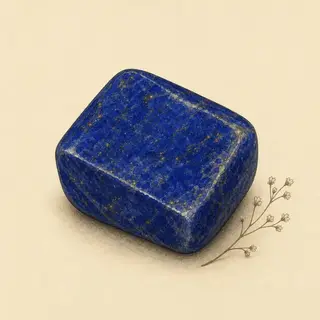
The lapis lazuli meaning centers on mental clarity, deep intuition, and ancient royal authority. This opaque blue rock has guided human belief systems for thousands of years. Practitioners rely on it to stimulate the mind. Egyptian priests wore it as a symbol of objective truth.
| Chakra | Third Eye (Ajna) |
| Element | Air |
| Zodiac | Sagittarius |
| Color | Deep blue, Royal blue, Blue with gold pyrite flecks |
What is the spiritual Lapis Lazuli meaning?
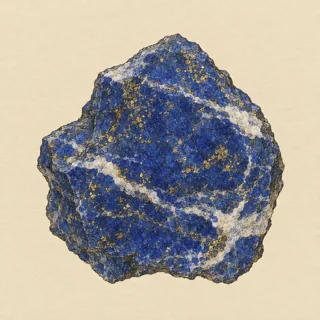
The cultural lapis lazuli meaning roots itself heavily in ancient Egyptian administrative and religious hierarchies. The chief justice of Egypt wore an image of the goddess Ma carved from this blue stone. This emblem hung around his neck on a solid golden chain. It signified an unwavering commitment to objective truth. Roman legionaries adopted this material later. They set blue scarabs into their heavy rings. Roman soldiers believed this specific figure imparted massive courage on the battlefield. The Louvre museum currently holds a specific talisman from antiquity. This piece depicts Thothmes II physically seizing a lion by the tail. Such artifacts illustrate how ancient civilizations equated the stone with physical dominance. Phoenician traders observed these practices. They actively copied the Egyptian scarab designs to guard their own sailors from harm. Lapis lazuli is a metamorphic rock composed primarily of lazurite, calcite, and pyrite. The rock typically contains roughly 25 to 40 percent lazurite by volume. It forms in crystalline marble through contact metamorphism. The Sar-i-Sang mines in modern-day Afghanistan have produced this material for over six thousand years. Archaeologists discovered even older lapis lazuli beads dating to roughly 6500 BCE in Neolithic burials at Mehrgarh in Pakistan. Ancient traders transported the rough stones across vast desert routes to Mesopotamia and Egypt. This immense geographical journey added to the stone's prestige. Assyrian priests incorporated the material into their most sacred cylinder seals. The golden pyrite flecks resembled stars in a night sky. Many early belief systems interpreted this visual trait as a direct link to heavenly realms. Egyptian culture heavily favored the stone for funeral scarabs. Practitioners placed these carvings over the heart of the deceased. They traditionally believed the stone could prevent the soul from betraying its own sins during the final judgment. True lapis lazuli was ground into a fine powder during the Renaissance. Painters used this pigment, called ultramarine, to paint the robes of important religious figures. It was incredibly expensive at the time. The intense color remains bright centuries later. This artistic use reinforces the historical theme of divine connection and high value. The stone registers between 5 and 5.5 on the Mohs hardness scale. This relative softness made it ideal for intricate ancient carvings. Egyptian artisans shaped it into delicate frogs with golden eyes. They carved elaborate cylinder seals for Mesopotamian merchants. These seals were rolled across wet clay to sign important documents. The deep blue color signified wealth and high social standing across the ancient world.
The emotional lapis lazuli meaning revolves around self-awareness and confident communication. Crystal practitioners reach for this blue rock to cut through personal illusions. Folklore says it fosters radical honesty. People use it to confront difficult emotional truths without shrinking away. The stone supposedly provides the necessary courage to speak one's mind openly. Many users keep a piece nearby during stressful interpersonal conflicts. They view it as a steady anchor for logic and reason. The presence of the stone acts as a physical reminder to pause before reacting defensively. It encourages individuals to observe their own emotional patterns objectively. Practitioners often sit quietly with the rock to process lingering frustration. The heavy density of the material provides comforting physical feedback. This weight helps ground a scattered or overwhelmed mind. Users attempt to untangle complex feelings regarding past relationships during these sessions. The traditional practice views the material as a mirror for the inner self. It is said to reveal hidden motivations and buried fears. Many people hold a sphere of this material while journaling about their emotional state. They believe this action demands absolute sincerity on the page.
Zodiac Connection
Sagittarius is traditionally associated with philosophical truth-seeking, aligning perfectly with the Egyptian chief-justice wearing this specific stone to represent objective reality.
The Third Eye associations, courage folklore and Egyptian amulet uses described here come from crystal tradition, not from mineralogy or verified medical research.
How does the Lapis Lazuli meaning relate to healing?
Physical Healing
Practitioners use this material in practices aimed at overall physical vitality. Crystal folklore assigns it a cooling and soothing role in the body. Some users place polished pieces over their throat during relaxation exercises. They hope to clear energetic blockages in this area. Many individuals carry a tumbled stone in their pocket during long public speaking engagements. The smooth texture provides a grounding tactile sensation. The symbolic meaning here is entirely focused on maintaining personal composure. People rely on the stone as a focal point for their own intention. It serves as a visual prompt to maintain deep and steady breathing. Users often hold the cool rock against their forehead at the end of a long day. They use this physical contact to draw their attention away from physical tension. The ritual aims to shift focus back to a calm internal state.
Emotional & Spiritual Healing
Emotional healing routines frequently incorporate this intense blue rock. Practitioners use it to process deep-seated anger. The stone supposedly aids in recognizing the root causes of sudden emotional outbursts. Users sit with the stone in quiet reflection after a difficult argument. They try to understand their own defensive triggers. The tradition treats the stone as an uncompromising guide for shadow work. It forces a person to look at their own flaws objectively. Many individuals hold a rough chunk of the rock while vocalizing their frustrations aloud in an empty room. The solid object acts as a silent witness to their vulnerability. This process helps them release bottled emotions safely. People often place a piece on their nightstand. They believe its presence encourages peaceful processing of complex daily interactions while resting.
Chakra Association
The lapis lazuli meaning connects directly to the Third Eye chakra, known as Ajna. This energetic center sits exactly between the eyebrows. Traditional systems consider this chakra the primary seat of intuition and psychic vision. Practitioners place a flat disc of the stone on their forehead during extended meditation. They believe this action heavily stimulates internal awareness. A balanced Third Eye chakra supposedly allows a person to see past superficial appearances. Blockages in this area are said to cause intense mental fog and confusion. Users pair the stone with deep visualization techniques. They imagine a brilliant indigo light radiating from the rock straight into their mind. This practice aims to clarify difficult thought processes. It is also used to enhance daily dream recall. Advanced practitioners sometimes lay a second piece over their throat. This connects the insights of the Third Eye directly to outward verbal expression.
This is tradition and practice, not medical, financial, or life advice.
How Do You Use Lapis Lazuli Day to Day?
Wearing Lapis Lazuli
Wearing lapis lazuli requires some basic care due to its moderate hardness. It sits at a 5 to 5.5 on the Mohs scale. Jewelers frequently set it into pendants and earrings to protect it from daily impacts. Rings and bracelets face a much higher risk of scratching and chipping. You can clean your jewelry simply with warm soapy water and a soft cloth. Prolonged exposure to hot water can damage the stone permanently. The lapis lazuli meaning comes alive when the stone rests heavily against the throat or chest. Many practitioners wear a thick necklace of round beads to support their daily communication. They feel the cool weight of the stones against their skin. This physical presence acts as a constant reminder to speak truthfully in all situations. Ancient Roman legionaries wore heavy rings set with carved blue scarabs. They believed these bold rings imparted tremendous courage during battle. Modern wearers often choose similar large rings to project extreme confidence in corporate environments.
Lapis Lazuli in Your Home
Placing this deep blue rock in your home alters the visual dynamic of any room. Interior designers often use large polished freeforms as striking centerpieces. A bright blue sphere on a wooden stand draws the eye immediately. Crystal tradition holds that the stone brings harmony and clear communication to an entire household. Many people place a piece directly in their home office. They use it as a focal point during complex negotiations or intense writing sessions. The stone sits perfectly on a desk next to a computer monitor. You can also place raw chunks on a living room bookshelf. The rough texture and golden pyrite inclusions catch the afternoon light beautifully. Some practitioners position the stone near the front door. They believe it acts as a rigid filter for negative energy entering the home. The rich ultramarine color complements neutral walls and natural wood furniture very easily.
Meditation with Lapis Lazuli
Meditation practices frequently incorporate this dense blue material. This specific practice aligns closely with deep introspection. Practitioners often hold a heavy palm stone in each hand while sitting quietly. The smooth surface provides excellent tactile feedback. You can place a flat piece directly on your forehead while lying down on a yoga mat. This placement aligns perfectly with the Third Eye chakra. Users visualize a thick beam of indigo light connecting their mind to the stone. They breathe slowly and focus entirely on the physical weight of the rock. This exercise helps quiet racing thoughts and physical restlessness. Many people keep a dedicated piece specifically for their meditation altar. They surround it with white candles and clear quartz points. The intense visual contrast creates a highly serene environment for daily reflection.
Cleansing & Charging
Cleansing this specific material requires gentle and dry methods. The rock contains porous calcite and sensitive pyrite inclusions. You must never soak it in salt water. Salt will quickly degrade the surface polish and damage the metallic pyrite. Chemical cleaners and ultrasonic baths will permanently destroy the stone. You can physically clean dust away with a dry microfiber cloth. Practitioners use smoke from dried sage to cleanse the stone energetically. They pass the rock through the thick smoke for exactly thirty seconds. Sound cleansing is another extremely safe method. You can strike a tuning fork and hold it near the stone. The sound waves wash over the material without causing any physical harm whatsoever. Some people place their pieces on a bed of dry hematite overnight. This traditional practice supposedly draws out any accumulated stagnant energy safely.
Crystal Combinations
Lapis Lazuli pairs well with these crystals for complementary energy in crystal healing practice:
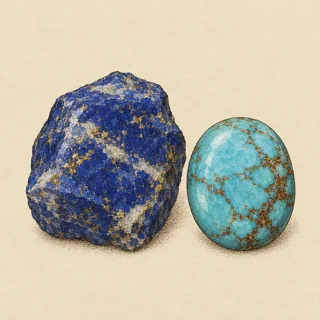
- Turquoise for Pairing lapis lazuli with turquoise creates a classic aesthetic and energetic combination. Ancient Egyptian jewelry frequently placed these two opaque stones side by side in elaborate gold collars. Practitioners use this pairing to balance deep internal reflection with outward verbal expression. They hold both stones while practicing difficult conversations in front of a mirror.
- Amethyst for Pairing lapis lazuli with amethyst creates a highly focused mental environment. Crystal practitioners often combine these two purple and blue stones during deep meditation sessions. They place an amethyst cluster near a blue sphere to encourage quiet reflection. This specific combination supposedly calms a racing mind and clarifies confusing thoughts.
Lapis lazuli carries the same Third Eye chakra and Air element assignment as tanzanite, one of a handful of overlaps crystal practice draws between blue-toned and violet-toned stones. The tanzanite guide sets out the history behind tanzanite and its Sagittarius association.
Caring for Lapis Lazuli
Cleaning: Wipe with a damp soft cloth; avoid soaking and chemical contact.
Avoid: Relatively soft and porous; avoid acids (even vinegar), perfume, and ultrasonic cleaners.
Your crystal profile
Is Lapis Lazuli Your Birthstone?
Month
Day
Lapis Lazuli is linked to Sagittarius. Enter your birthday above to see if it matches your sign.
Lapis Lazuli at a glance
- Also known as
- Sappheiros (in ancient texts), Lazurite rock
- Tradition
- Mental clarity, objective truth, and royal authority
- Chakra / element
- Third Eye (Ajna) / Air
- In one line
- An ancient deep blue rock historically tied to profound wisdom and courageous communication.
- Try this first
- Hold a polished piece during difficult conversations to maintain your composure and speak honestly.
- Do not
- Never clean this stone with salt water, harsh chemicals, or ultrasonic jewelry cleaners.
Kunz, The Curious Lore of Precious Stones, 1913, p.119
Applying lapis lazuli in daily routines.
Incorporating this intense blue stone into your regular schedule provides a steady physical anchor. The material serves as a tangible reminder of your own personal goals.
Tuesday morning staff meeting at the corporate office.
You step into the main conference room to present your quarterly findings to the executive team. The pressure is high and you feel your throat tightening. You reach into your left blazer pocket and grip a heavy, polished piece of this blue rock. You rub your thumb across the smooth surface and focus entirely on the cool temperature of the stone. This physical grounding technique stops your mind from racing. You take a slow, deep breath and begin your presentation with a steady, commanding voice.
Thursday evening journaling session at your kitchen table.
You sit down with a hot cup of tea to process a difficult argument you had with a family member. The blank page feels intimidating. You place a large blue sphere directly on top of your notebook. You stare at the chaotic golden pyrite inclusions swirling through the dark blue matrix. Crystal tradition holds that this stone demands absolute honesty. You pick up your pen and finally write down exactly how the interaction made you feel. You stop hiding your true emotions behind polite excuses.
Sunday afternoon reading hour on the back porch.
You recline in your favorite outdoor chair with a dense philosophical book. The concepts are difficult to grasp and your attention keeps drifting to your phone. You place a rough chunk of this metamorphic rock on the table next to your reading glasses. The lapis lazuli meaning involves deep intellectual focus and mental clarity. You use the stone as a visual cue. Every time you reach for your phone, your eyes catch the bright blue color. You pull your hand back, open your book, and dive back into the text.
Material authenticity and traditional timelines.
The historical record surrounding this deep blue stone reveals fascinating tensions regarding both material authenticity and chronological accuracy. Analyzing ancient Egyptian lapis lazuli artifacts requires distinguishing between the authentic stone reserved for high authority versus early artificial imitations, as well as separating legendary traditional dates from verified historical timelines.
The Genuine Stone and the Cyanus Imitation
Ancient Egyptian and Assyrian artisans used genuine lapis lazuli extensively, but they also utilized a widespread artificial substitute. George Kunz notes on page 119 of his 1913 text that this imitation, called cyanus, was an alkaline silicate colored deep blue with carbonate of copper. The historical tension lies in how these two materials circulated alongside each other in the ancient world's material culture. The wider ornamental trade produced vast quantities of scarabs and cylinder seals using the cheaper cyanus imitation. Meanwhile, the highest religious and legal authorities demanded the authentic stone. Kunz points out that the Egyptian chief-justice wore a specific amulet of the goddess of Truth, Ma, carved from genuine lapis lazuli. The authentic rock was required to project the ultimate authority of that high office, even as the ancient market simultaneously met broader demand with the artificial glass alternative.
Traditional versus Verified Dating of Funeral Scarabs
A fundamental gap exists between the legendary timelines ancient cultures claimed for their lapis lazuli artifacts and the verified chronology of modern history. On page 228 of his text, Kunz describes a funeral scarab cut from a hard stone, noted as perhaps lapis lazuli, inscribed with a protective incantation from the Book of the Dead. He points out that ancient Egyptian tradition explicitly assigned this specific chapter to the reign of King Semti, the fifth king of the First Dynasty, placing it at "about 4400 B.C." However, modern Egyptology firmly places the actual founding of the First Dynasty much later, at roughly 3100 BCE. This creates a clear distinction between what the ancient Egyptian tradition itself claimed about the object's tremendous antiquity and what contemporary historical science can verify. The legendary attribution places the stone's ritual use roughly 1,300 years earlier than the dynasty's well-established factual timeline.
Frequently Asked Questions
What is the true lapis lazuli meaning in ancient history?
The historical lapis lazuli meaning centers entirely on wealth, divine truth, and royal power. Ancient civilizations in Mesopotamia and Egypt valued this blue rock as much as gold. They carved it into sacred amulets, cylinder seals, and representations of their gods. The deep color symbolized the night sky and the presence of the divine.
Can I wear this blue stone in a ring every day?
You should exercise caution if you choose to wear this material on your hand. It ranks between 5 and 5.5 on the Mohs hardness scale. This makes it significantly softer than quartz or sapphire. Daily impacts against desks, doors, and countertops will eventually scratch the surface. You should remove the ring before doing heavy manual labor or washing dishes.
Why does my stone have gold specks in it?
The gold specks are natural inclusions of iron pyrite. This rock is essentially a combination of several different minerals, primarily lazurite, calcite, and pyrite. The lazurite provides the intense blue color. The calcite creates white streaks or patches. The pyrite creates the metallic golden flecks. It rarely features large, chunky pyrite veins in high-quality specimens.
How does the lapis lazuli meaning connect to the throat chakra?
Crystal folklore connects this dense blue rock to both the Third Eye and the Throat chakras. Practitioners believe the stone encourages radical honesty and clear verbal expression. People often hold a piece near their neck when practicing a difficult speech. They use the material as a physical reminder to articulate their thoughts clearly and confidently.
Is this stone the same thing as sodalite?
They are two completely different minerals, though they look quite similar to the untrained eye. Sodalite typically features a darker, more mottled blue color with heavy white calcite veins. It rarely contains any metallic pyrite inclusions. Lapis lazuli generally displays a brighter, more intense ultramarine blue and almost always contains visible golden pyrite flecks. You can usually tell them apart by looking closely for the metallic glitter.
Who should wear lapis lazuli?
Leaders and communicators often choose this deep blue rock to support their daily work. According to ancient folklore, the stone carries the energy of objective truth and profound wisdom. Crystal practitioners suggest holding a polished piece during difficult conversations to maintain composure. Tradition says it opens the third eye to help the wearer speak honestly.
What zodiac sign is lapis lazuli for?
Astrologers associate this deep blue stone directly with Sagittarius. The pairing rests on the sign's traditional love for philosophy and honest communication. In crystal lore, the air element mineral encourages a Sagittarian's search for objective truth. Practitioners believe that working with the gem stimulates the third eye chakra to support their natural courage and wisdom.
George Kunz documents lapis lazuli in historical amulets.
The historical record outlines thousands of years of continuous human engagement with this specific blue rock. Early archaeologists cataloged its extensive use in royal courts.
- The Egyptian chief-justice wore a lapis lazuli image of the goddess of Truth, and Roman legionaries wore scarab rings for courage.
Kunz 1913, p.119
Kunz describes a notable instance where the Egyptian chief-justice wore an image of Truth (Ma) suspended from a golden chain. He also notes that Roman legionaries wore rings set with scarabs because the figure was believed to impart immense courage on the wearer. - Egyptian tradition assigned a specific lapis lazuli funeral scarab formula to the reign of King Semti around 4400 B.C.
Kunz 1913, p.228
The text documents a funeral scarab cut from a hard stone, perhaps lapis lazuli, bearing an incantation from the Book of the Dead. This formula was historically dated to Semti, the fifth king of the first dynasty, containing a plea for the deceased's heart not to rise up against them.
References
“The safest cleaning methods are also the easiest.”