 BirthstoneMeaning
 Aries Birthstone
 Taurus Birthstone
 Gemini Birthstone
 Cancer Birthstone
 Leo Birthstone
 Virgo Birthstone
 Libra Birthstone
 Scorpio Birthstone
 Sagittarius Birthstone
 Capricorn Birthstone
 Aquarius Birthstone
 Pisces Birthstone
 Peridot Meaning
 Garnet Meaning
 Amethyst Meaning
 Aquamarine Meaning
 Diamond Meaning
 Emerald Meaning
 Pearl Meaning
 Ruby Meaning
 Blue Sapphire Meaning
 Opal Meaning
 Topaz Meaning
 Turquoise Meaning
 Moonstone Meaning
 Tourmaline Meaning
 Citrine Meaning
 Tanzanite Meaning
 Alexandrite Meaning
 Spinel Meaning
 Sardonyx Meaning
 Zircon Meaning
 Lapis Lazuli Meaning
 Rose Quartz Meaning
 Onyx Meaning
 Labradorite Meaning
 Malachite Meaning
 Jade Meaning
 Agate Meaning
 Carnelian Meaning
 Clear Quartz Meaning
 Black Tourmaline Meaning
 Smoky Quartz Meaning
 Sodalite Meaning
 Obsidian Meaning
 Fluorite Meaning
 Selenite Meaning
 Hematite Meaning
 Howlite Meaning
 September Birthstone
Tourmaline Meaning and Healing Properties Explained
The tourmaline meaning centers on creative inspiration, emotional understanding, and personal protection. Dutch traders introduced the gem to Europe in the early 1700s, carrying the Sinhalese name turmali for mixed-color stones. Practitioners today assign specific meanings to its colors, associating pink with love, green with vitality, and black with safety. Tourmaline belongs to a complex boron silicate mineral group with a Mohs hardness of 7. It forms trigonal crystals in almost every color. Brazilian miners discovered the copper-bearing Paraíba variety in 1989. These neon blue-green gems rank among the most valuable tourmaline on the market today. The National Association of Jewelers formalized tourmaline as an official October birthstone during their August 1912 meeting in Kansas City. This modern addition generated immediate debate among gemologists. The stone maintains a strong following in contemporary crystal practice for its wide spectrum of symbolic uses. The tourmaline meaning that follows depends heavily on which of its many colors you are holding.

| Chakra | Heart (Anahata) and Root (Muladhara) |
| Element | Earth |
| Zodiac | Libra |
| Color | Pink, Green, Blue (Paraíba), Watermelon, Red (Rubellite), Yellow, Black |
Why Does Tourmaline Carry So Many Different Meanings?
Dutch traders brought tourmaline from Sri Lanka to Europe in the early 1700s. They adopted the Sinhalese word turmali, referring to mixed-color stones found in the gem gravels of Ceylon. The gem quickly gained a reputation among European artists and writers. They believed the stone inspired creativity and promoted deep interpersonal understanding. Over time, different cultures assigned specific virtues to the stone's many hues, treating the dark crystals as protective amulets and the lighter pinks as tokens of affection. Beyond its visual appeal, the physical properties of the stone shaped its early cultural lore. Tourmaline is pyroelectric, meaning it generates a temporary electrical charge when heated. Dutch sailors observed this phenomenon when they used warm tourmaline crystals to pull ash out of their meerschaum pipes. They called the stone aschentrekker, or ash puller. This unique physical ability to attract and repel lightweight particles gave the gem a mystical reputation as a tool for drawing out negative energies and pushing away bad luck. The National Association of Jewelers recognized this growing popularity in August 1912. They met in Kansas City to standardize birthstones and designated tourmaline as the alternate stone for October. This formal recognition cemented the gem's place in modern Western traditions. Today, crystal practitioners continue to draw upon these early commercial and artistic associations, utilizing the stone in rituals aimed at fostering artistic expression and community harmony. That range is central to how practitioners describe the tourmaline meaning today.
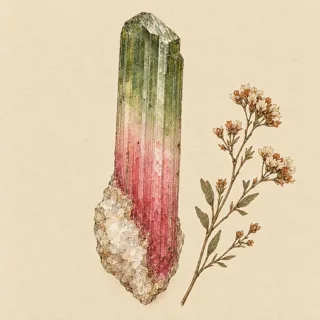
You can use tourmaline to set specific emotional intentions based on its color. Practitioners recommend pink tourmaline when you want to focus on romantic or familial love. Green tourmaline serves as a traditional symbol for physical vitality and renewal. Black tourmaline functions as a protective talisman. You might place a black crystal near your front door to symbolically block negative influences from entering your home. Beyond these primary colors, blue tourmaline, known as indicolite, supports emotional clarity and honest communication. Practitioners often hold this blue variety when navigating difficult conversations with loved ones. Watermelon tourmaline offers a unique emotional tool by combining pink and green hues. Healers use this bi-color stone to reconcile conflicting feelings, helping individuals find a middle ground between their own needs and the expectations of others. Red tourmaline, frequently called rubellite, provides a more intense emotional catalyst compared to the gentle nature of the pink varieties. Crystal healers associate this deep crimson stone with profound passion, personal courage, and the willingness to overcome emotional numbness. Holding a piece of rubellite during periods of grief can help you process heavy feelings and rediscover a sense of purpose. The bold color serves as a visual anchor for those seeking to rebuild their confidence after a significant personal setback.
Zodiac Connection
We pair tourmaline with Libra. This air sign rules the early weeks of October, making it a natural fit for the month's official alternate birthstone. Venus governs Libra, aligning perfectly with pink tourmaline's traditional associations with romantic love and interpersonal harmony. Furthermore, Librans constantly seek balance and fairness in their relationships. Watermelon tourmaline, which displays multiple colors in a single crystal, perfectly mirrors this astrological desire for equilibrium and integrated perspectives.
The energetic and symbolic properties of tourmaline described here reflect traditional crystal lore and modern metaphysical practices, lacking scientific evidence to support any medical claims.
How Can Tourmaline's Colors Guide Everyday Healing?
Physical Healing
Crystal practitioners use tourmaline to symbolize physical grounding and environmental protection. Many people place black tourmaline near their computers, televisions, or work desks. They treat the stone as a ritual object to maintain personal boundaries in busy, technology-heavy spaces. The dense, dark appearance of the crystal acts as a visual anchor, reminding the user to take breaks and step away from digital screens. Other colors in the tourmaline family support different aspects of physical well-being. Some wear green tourmaline to represent physical recovery and daily stamina, keeping a piece in their pocket during long shifts at work. Pink tourmaline serves as a soothing presence for those dealing with physical tension linked to stress. By holding these stones, individuals create a quiet moment to focus on their breathing, connecting their body's internal rhythms to the stabilizing weight of the crystal. This is often where someone first encounters the tourmaline meaning in daily practice.
Emotional & Spiritual Healing
The stone provides a focal point for emotional regulation and daily mindfulness. Pink tourmaline acts as a physical reminder to practice self-compassion during moments of intense self-criticism. Watermelon tourmaline combines pink and green colors in a single crystal. Practitioners use this dual-colored stone to balance emotional extremes, giving themselves a visual tool to process complicated feelings. The gem helps users visualize a steady emotional state during stressful periods, encouraging patience and reflection. Brown tourmaline, also known as dravite, offers specific support for emotional grounding during moments of panic or overwhelming grief. The earthy color and solid weight of the stone provide a tangible anchor when your thoughts begin to spiral out of control. Holding a piece of dravite helps you acknowledge difficult emotions without letting them completely consume your day. This practice allows you to process sadness or anger at a manageable pace, establishing a secure psychological foundation before moving forward.
Chakra Association
Modern crystal healers connect different tourmaline colors to specific energy centers in the body. Pink and green tourmaline correspond directly to the Heart Chakra. Practitioners place these stones on the center of the chest to symbolize emotional openness and vulnerability. During a typical session, a healer might ask the client to breathe deeply while visualizing a warm, comforting light radiating from the stone into the heart space. Black and brown tourmaline align with the Root Chakra, which governs feelings of safety and basic survival. Healers use these dark stones at the base of the spine to represent stability and earthly connection. You can also place black tourmaline near the soles of your feet during a lying meditation to draw your awareness downward. This specific placement helps dissipate nervous energy, creating a secure energetic foundation for the rest of your spiritual work.
This is tradition and practice, not medical, financial, or life advice.
How Do You Use Tourmaline Day to Day?
Wearing Tourmaline
Jewelers set tourmaline in rings, necklaces, and earrings to keep the stone in constant physical contact with the skin throughout the day. The gem has a Mohs hardness rating of 7, making it sufficiently durable for daily wear in protective metal settings like bezels. Many practitioners prefer wearing a heavy tourmaline pendant directly over the center of the chest to keep the stone physically close to the heart space. You must always remove your tourmaline jewelry before using harsh household chemicals, washing dishes, or engaging in heavy yard work. Taking these specific precautions protects the gem from accidental chips and preserves its natural polish for years of continued use. Worn this way, the tourmaline meaning of holding more than one mood at once travels with you.
Tourmaline in Your Home
Place tourmaline crystals in areas where you want to establish a specific mood or energetic boundary. A large piece of rough black tourmaline near the front entryway serves as a traditional protective ward for the entire household. You can keep a polished pink tourmaline sphere on your bedside table to symbolize affection, peace, and restful sleep in the bedroom. Some practitioners arrange green tourmaline points on their kitchen windowsills right next to their potted herbs to connect indoor spaces with the natural world outside. This strategic placement creates physical reminders of your personal intentions as you move through your daily living environment. Displayed this way, the tourmaline meaning of self-expression stays visible throughout the day.
Meditation with Tourmaline
Hold a smooth tourmaline crystal in your dominant hand during your daily morning meditation practice. You can focus your visual attention on the stone's specific color to anchor your wandering thoughts when the room is quiet. Some practitioners visualize the gem absorbing mental clutter and transferring it down through the floorboards into the earth. Tracing the natural vertical striations along the side of a raw tourmaline wand with your thumb provides a highly effective tactile grounding mechanism. This physical engagement helps pull your awareness away from daily anxieties and back into the present moment.
Cleansing & Charging
Wash your tourmaline gently with warm soapy water and a soft-bristled toothbrush to remove daily oils and dust. You must keep heavily included stones away from sudden temperature changes to prevent internal fractures from expanding. Ultrasonic cleaning is generally safe for completely eye-clean stones, though manual washing in a small ceramic bowl remains the lowest-risk method. Keep your gem away from prolonged exposure to extreme heat, as high temperatures can permanently alter or fade its natural color. Dry the crystal thoroughly by patting it with a microfiber cloth before returning it to your jewelry box or dedicated altar space.
Crystal Combinations
Tourmaline pairs well with these crystals for complementary energy in crystal healing practice:
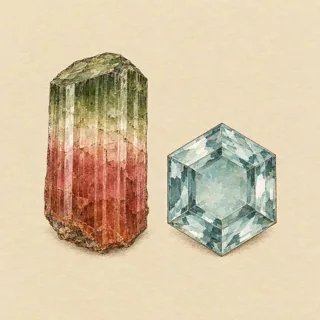
- Aquamarine for Both stones share a trigonal crystal system and promote clear communication.
- Amethyst for Practitioners pair these gems to combine tourmaline's grounding symbolism with amethyst's traditional focus on mental clarity.
The all-black end of that same family gets its own dedicated page: the black tourmaline guide covers the protective, grounding reputation specific to that one color.
Caring for Tourmaline
Cleaning: Warm soapy water and a soft brush; ultrasonic cleaning is generally safe for eye-clean stones.
Avoid: Avoid heat and sudden temperature changes which can alter color or cause fractures in included stones.
Your crystal profile
Is Tourmaline Your Birthstone?
Month
Day
Tourmaline is linked to Libra. Enter your birthday above to see if it matches your sign.
Pairs well with
Tourmaline at a glance
- Also known as
- Turmali
- Tradition
- Creativity and protection
- Chakra / element
- Root and Heart / Earth
- In one line
- A complex boron silicate gem occurring in every color of the rainbow.
- Try this first
- Set emotional intentions based on the specific color of the stone.
- Do not
- Sudden temperature changes and extreme heat.
Kunz, The Curious Lore of Precious Stones, 1913, p.320
When to use tourmaline in daily life
You can incorporate tourmaline into your routine to support specific personal goals.
On a Tuesday morning before a difficult performance review in your manager's office.
Place a small, raw piece of black tourmaline in your left pocket before entering the building. Touch the stone subtly when you feel your anxiety rising during the conversation with your manager. Use the physical texture of the gem's natural ridges to ground your racing thoughts and slow your breathing. The stone serves as a private, tactile reminder to maintain your emotional boundaries and stay focused on constructive feedback.
During a Saturday afternoon painting session at your kitchen table.
Keep a polished slice of watermelon tourmaline right next to your water cup. Look directly at the sharp transition between the pink and green colors when you struggle to find the right composition. Practitioners believe this bi-color stone inspires creative breakthroughs by encouraging you to see opposing elements as a unified whole. Let the gem's natural beauty prompt your next brushstroke and guide your artistic choices on the canvas.
On a Friday evening while recovering from a minor cold in your living room.
Rest a smooth green tourmaline directly on your bare chest while you lie comfortably on the sofa. Focus entirely on your breathing while feeling the gentle weight of the stone rise and fall with each inhalation. Tradition holds that green tourmaline supports physical vitality and connects the human body to nature's restorative cycles. Use this quiet ritual to center your mind on deep rest, giving yourself total permission to pause and recover.
Historical disagreements over tourmaline
The formalization of tourmaline as an October birthstone caused immediate friction among early twentieth-century gemologists.
The 1912 Kansas City decision
Delegates from the National Association of Jewelers convened in Kansas City during August of 1912 and drafted a new official birthstone list for the American jewelry trade. That list gave opal the primary spot for October. Tourmaline, a comparatively modern gem by Kunz's own account, was added only as October's alternate: official status, but a lesser billing.
George Kunz objects
George Frederick Kunz documented the new birthstone list in his 1913 book. He immediately objected to tourmaline's inclusion in his own footnotes. Kunz wrote that tourmaline was only known in modern times or since the eighteenth century. He argued the list ought only to comprise stones known and worn from ancient times. This reveals a clear divide between commercial jewelers and historical purists.
Frequently Asked Questions
What is the tourmaline meaning for October birthdays?
The tourmaline meaning for October birthdays centers on creativity, emotional balance, and personal protection. The National Association of Jewelers officially designated tourmaline as an alternate October birthstone during their August 1912 meeting in Kansas City. Practitioners assign different symbolic meanings to the gem based on its color. Pink tourmaline represents love and compassion. Green tourmaline symbolizes physical vitality and renewal. Black tourmaline serves as a traditional talisman for protection against negative influences. You can choose the color that best aligns with your personal intentions. The stone's wide variety of colors makes it a highly customizable birthstone option for anyone born in October. People often collect multiple colors to match different moods and seasons.
Where does tourmaline come from?
Miners extract tourmaline from deposits all over the world, including Brazil, Mozambique, Nigeria, Afghanistan, and Madagascar. The gem crystallizes in the same granite pegmatites that produce topaz and aquamarine, and multiple colors can show up in a single crystal. Brazilian miners discovered a copper-bearing neon blue-green variety called Paraíba tourmaline in 1989, and fine specimens now rank among the most valuable colored gemstones sold anywhere. European buyers first encountered the stone in the early 1700s, imported from Sri Lanka by Dutch traders.
How do you care for tourmaline jewelry?
You should clean tourmaline jewelry using warm soapy water and a soft brush. The stone has a Mohs hardness of 7. This rating makes it durable enough for regular wear. You must protect the gem from sudden temperature changes and extreme heat. These conditions can alter the stone's color or cause fractures in heavily included specimens. Ultrasonic cleaning is generally safe for eye-clean stones. You should remove your tourmaline rings before doing heavy physical labor or using harsh household chemicals. Jewelers often use heat treatment to lighten dark stones, and you want to avoid damaging these enhancements. Storing your pieces in individual soft pouches prevents harder gems like diamonds from scratching them.
What is watermelon tourmaline?
Watermelon tourmaline is a specific color variety of the gem that displays pink and green in the same crystal. The stone typically features a pink center surrounded by a green outer layer. Crystal practitioners highly value this unique color combination. They use watermelon tourmaline to symbolize the balance of emotional extremes. The pink section represents romantic love and self-compassion. The green section represents physical vitality and connection to nature. Healers often place this dual-colored stone on the Heart Chakra during meditation rituals to promote emotional openness and inner peace. Jewelers frequently cut this material into thin slices to display the distinct color zones to their full effect.
Who should wear tourmaline?
Folklore suggests this complex boron silicate gem appeals to people seeking protection. Since it occurs in a rainbow of colors, crystal practitioners often recommend selecting a specific shade to match personal intentions. Many wearers keep the stone close to foster creativity and ground their energy through the root chakra during daily routines.
What zodiac sign is tourmaline for?
This multicolored stone traditionally belongs to Libra. Crystal lore pairs the gem with this earth element to support the sign's pursuit of harmony and creativity. Practitioners believe its connection to the heart chakra helps Libras maintain balanced relationships, while its protective qualities offer grounding energy when setting emotional intentions.
Primary sources for tourmaline history
Early twentieth-century gemological texts document the standardization of tourmaline as a birthstone.
- The National Association of Jewelers named tourmaline the alternate October birthstone in 1912.
Kunz 1913, p.320
Kunz sets down the birthstone list the jewelry trade group finalized at its August 1912 convention in Kansas City, where opal took the primary October slot and tourmaline was named the alternate. - Some gemologists believed tourmaline lacked the historical pedigree to be a proper birthstone.
Kunz 1913, p.321
Kunz explicitly states that tourmaline seems out of place on the birthstone list because it was only known in modern times, arguing that birthstones should be limited to gems worn since antiquity.
References
“The safest cleaning methods are also the easiest.”