 BirthstoneMeaning
 Aries Birthstone
 Taurus Birthstone
 Gemini Birthstone
 Cancer Birthstone
 Leo Birthstone
 Virgo Birthstone
 Libra Birthstone
 Scorpio Birthstone
 Sagittarius Birthstone
 Capricorn Birthstone
 Aquarius Birthstone
 Pisces Birthstone
 Peridot Meaning
 Garnet Meaning
 Amethyst Meaning
 Aquamarine Meaning
 Diamond Meaning
 Emerald Meaning
 Pearl Meaning
 Ruby Meaning
 Blue Sapphire Meaning
 Opal Meaning
 Topaz Meaning
 Turquoise Meaning
 Moonstone Meaning
 Tourmaline Meaning
 Citrine Meaning
 Tanzanite Meaning
 Alexandrite Meaning
 Spinel Meaning
 Sardonyx Meaning
 Zircon Meaning
 Lapis Lazuli Meaning
 Rose Quartz Meaning
 Onyx Meaning
 Labradorite Meaning
 Malachite Meaning
 Jade Meaning
 Agate Meaning
 Carnelian Meaning
 Clear Quartz Meaning
 Black Tourmaline Meaning
 Smoky Quartz Meaning
 Sodalite Meaning
 Obsidian Meaning
 Fluorite Meaning
 Selenite Meaning
 Hematite Meaning
 Howlite Meaning
 September Birthstone
Citrine Meaning and Healing Properties Explained
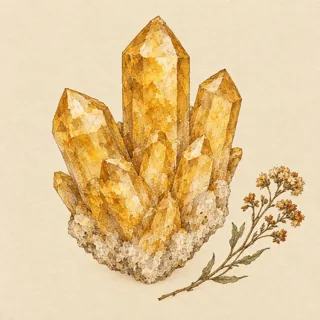
The core citrine meaning centers on prosperity, mental clarity, and the warmth of the sun. In traditional folklore, people associate this golden-yellow quartz with success and personal confidence. Crystal practitioners use it as a symbolic tool to encourage positive energy and focus. Ancient Greeks carved this mineral into ornaments during the Hellenistic period, between 300 and 150 BCE. Modern commercial citrine often consists of heat-treated amethyst, as natural pale yellow citrine is relatively rare. The stone registers a 7 on the Mohs hardness scale. During the Art Deco era of the 1920s and 1930s, jewelry designers favored large citrine centerpieces. Today, buyers still seek the gem for its bright color and its long-standing association with abundance. The citrine meaning that survives today owes more to color than to any single historical claim.

| Chakra | Solar Plexus (Manipura) |
| Element | Fire |
| Zodiac | Leo |
| Color | Yellow, Golden, Orange-brown, Honey |
What Is the Spiritual Meaning Behind Citrine's Golden Glow?
Folklore connects this golden quartz to solar energy and material abundance. Ancient Greeks utilized the stone for decorative carvings during the Hellenistic period from 300 to 150 BCE. Modern crystal traditions maintain this historical link by treating the gem as a symbol of success. Practitioners often place it in workspaces to represent financial growth. Throughout the centuries, merchants reportedly kept these yellow stones in their cash boxes to encourage trade. Today, this practice continues in a modernized form, with small business owners keeping a tumbled piece near their point-of-sale systems. The association with the sun also ties the gem to agricultural metaphors of planting seeds and watching them grow into a bountiful harvest. By keeping the stone visible, practitioners create a daily ritual of focusing on their professional aspirations. During the Art Deco movement of the 1920s and 1930s, jewelry designers embraced this golden quartz to reflect a cultural shift toward optimism and modernity. Large, geometrically cut centerpieces became highly sought after by those looking to project an image of forward-thinking prosperity. People viewed the bright yellow gem as a talisman for a promising future. This era solidified the stone's reputation as a symbol of joy and material success in modern Western culture. Practitioners describing the citrine meaning almost always come back to warmth and optimism first.
You can use this stone as a physical reminder of your personal goals. The bright yellow color provides a visual cue to maintain focus during difficult tasks. Many people keep a piece nearby when they need a symbolic boost of self-confidence. The warm hues offer a comforting presence during moments of self-doubt or creative blocks. Holding the smooth quartz can help ground racing thoughts, allowing you to approach challenges with a calmer mindset. Crystal healers often suggest that interacting with the gem physically helps break the cycle of negative self-talk. This simple tactile engagement redirects attention back to your immediate surroundings and your capabilities. Beyond individual goal-setting, some users rely on this quartz to navigate difficult interpersonal dynamics. Practitioners suggest that keeping the stone in your pocket during tense family gatherings or demanding client meetings provides a silent anchor for emotional resilience. The physical weight of the gem serves as a prompt to maintain healthy boundaries when others demand too much of your time. By touching the smooth surface, you can quietly reaffirm your own needs and prevent external pressures from overwhelming your personal peace.
Zodiac Connection
We pair citrine with Leo because the stone's traditional solar associations align well with this fire sign's natural warmth and expressive energy.
All claims regarding the spiritual and emotional properties of this yellow quartz reflect traditional crystal folklore and do not represent verified scientific or medical facts.
How Can Citrine Support Everyday Confidence and Focus?
Physical Healing
Crystal practitioners incorporate this stone into daily routines to symbolize physical vitality and stamina. People often place a piece on their desk while working to encourage a productive environment during long afternoon slumps. The gem serves as a tangible focus object during goal-setting exercises and early morning fitness routines. Holding the cool quartz can help center your breathing before beginning a strenuous workout. Traditional healers sometimes associate the yellow color with the digestive system and overall core strength. Users might rest a tumbled stone on their stomach while practicing deep breathing exercises to visualize warmth spreading through their body. This specific tactile engagement provides a simple mindfulness technique to distract from minor physical discomforts. No scientific evidence supports the use of crystals for medical treatment, and these practices rely entirely on folklore. That simple habit is often how someone first meets the citrine meaning in daily practice.
Emotional & Spiritual Healing
Tradition holds that this yellow quartz helps clear mental fog and chronic self-doubt. Users frequently hold the stone during moments of acute stress to physically ground their racing thoughts. The bright physical appearance acts as a simple visual anchor for maintaining a positive outlook when facing unexpected life changes. Many people keep a small piece on their nightstand to start the morning with a deliberate intention of optimism. The gem also plays a role in traditional practices aimed at overcoming past emotional setbacks. Crystal healers suggest that tracing the facets of a cut stone can help break cyclical patterns of regret. Focusing on the way light catches the golden interior offers a meditative distraction from dwelling on past mistakes. This deliberate shift in attention helps users reorient their mindset toward future possibilities and personal growth.
Chakra Association
Modern crystal healers closely associate this gem with the Solar Plexus chakra, located just above the navel. Practitioners typically place the stone directly on the upper abdomen during guided meditation sessions. They believe this specific placement helps stimulate personal power, decisive action, and deep-seated self-confidence. The golden color of the quartz perfectly matches the traditional yellow hue assigned to this specific energy center. When working with this chakra, users often visualize a bright, warming light radiating from the stone outward through their torso. This visualization technique aims to clear perceived energetic blockages that manifest as timidity or a lack of motivation. Some individuals incorporate deep, rhythmic breathing to enhance the physical sensation of the stone resting against their skin. This entire practice relies purely on symbolic tradition and personal mindfulness exercises.
This is tradition and practice, not medical, financial, or life advice.
How Do You Use Citrine Day to Day?
Wearing Citrine
Jewelers frequently set this Mohs 7 quartz into rings and pendants to withstand the bumps and scrapes of everyday use. Wearing a simple faceted necklace resting against your collarbone provides a constant, comforting physical touchstone during stressful afternoon meetings. Many users prefer minimalist, open-back settings that allow natural daylight to pass freely through the golden facets, casting warm reflections on the skin. You can discreetly spin a ring set with this gem to ground your attention when feeling overwhelmed in crowded spaces. You must keep the stone out of prolonged direct sunlight to prevent the bright yellow color from gradually fading. Worn this way, the citrine meaning of steady optimism travels with you through the day.
Citrine in Your Home
Many people display natural or heat-treated citrine in their living spaces to create a warm, inviting atmosphere during the dark winter months. A common traditional practice involves placing the stone in the southeast corner of a home office to represent wealth and steady financial abundance. You can arrange a raw, jagged cluster on a dark wooden tray alongside white candles to build a dedicated meditation area. The gem adds a bright decorative element to a bookshelf, especially when positioned to catch the early morning light streaming through an east-facing window. Placing a small tumbled piece on an entryway console table acts as a symbolic welcome for positive energy as guests arrive. Kept in view like this, the citrine meaning of quiet abundance stays part of the room.
Meditation with Citrine
You can hold a smooth, palm-sized tumbled piece in your hand while sitting quietly and focusing on your breathing rhythm. The initial cool temperature and solid weight of the stone provide a strong physical anchor to keep your mind from wandering toward daily chores. Some practitioners visualize a warm yellow light, matching the gem's exact honey color, spreading slowly from their hands through their entire body. You might also rest the flat side of the quartz directly against your bare upper abdomen to align with traditional Solar Plexus chakra practices. This deliberate tactile connection helps ground your awareness in the present moment before starting a chaotic workday.
Cleansing & Charging
You can safely clean this quartz using a bowl of warm soapy water and a soft-bristled toothbrush to gently scrub away everyday skin oils. Ultrasonic cleaners are generally safe for this material because of its highly durable, interlocking crystal structure. You must avoid exposing the stone to extreme heat sources like radiators, or leaving it on a sunny windowsill for extended periods. Sudden, drastic temperature changes from hot water to freezing air might cause permanent internal fractures within the gem. For symbolic cleansing, practitioners often leave the stone outside under a full moon overnight to refresh its traditional properties without risking sun damage.
Crystal Combinations
Citrine pairs well with these crystals for complementary energy in crystal healing practice:
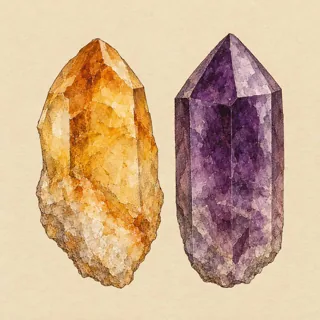
- Amethyst for Practitioners often combine these two quartz varieties to balance mental clarity with spiritual calm.
- Clear Quartz for Crystal healers use clear quartz alongside this yellow gem to amplify its traditional focus-enhancing properties.
Citrine works the Solar Plexus chakra for confidence and drive, about as far from gentle Heart-chakra work as crystal practice gets. The rose quartz guide covers that calmer end of the spectrum and the Taurus association it carries.
Caring for Citrine
Cleaning: Warm soapy water and a soft brush; ultrasonic cleaning is generally safe.
Avoid: Avoid prolonged sunlight which can fade the yellow color; avoid extreme heat.
Your crystal profile
Is Citrine Your Birthstone?
Month
Day
Citrine is linked to Leo. Enter your birthday above to see if it matches your sign.
Pairs well with
Citrine at a glance
- Also known as
- Golden Quartz
- Tradition
- Attracting prosperity and success
- Chakra / element
- Solar Plexus / Fire
- In one line
- A golden-yellow quartz long associated with abundance and the warmth of the sun.
- Try this first
- Place it on your desk to symbolize focus and clear thinking.
- Do not
- Prolonged exposure to direct sunlight or extreme heat.
Kunz, The Curious Lore of Precious Stones, 1913, p.154
When to Use Citrine in Daily Life
In crystal practice, you can incorporate this golden quartz into your routine as a physical reminder of your intentions.
At your office desk on a Monday morning
You can place a small tumbled piece next to your computer monitor, right beside your morning coffee mug. The bright golden color serves as an immediate visual anchor when you feel overwhelmed by a flooded email inbox. Pick up the smooth stone and roll it firmly between your thumb and index finger to break the physical tension building in your hands. Look closely at the internal fractures of the gem to remind yourself of your capability and maintain your focus for the long week ahead.
In your living room during a weekend budgeting session
Keep a raw, jagged cluster on the dining table alongside your calculator and paper receipts while you review your monthly finances. Crystal practitioners traditionally associate this yellow gem with material abundance, encouraging clear thinking during stressful money management tasks. Trace the rough, unpolished edges of the crystal points with your thumb when you need a quiet moment to process complex numbers. Let the heavy physical object ground your scattered attention as you carefully plan your upcoming expenses and set new saving goals.
In your bedroom before a difficult conversation
Hold a polished piece tightly in your dominant hand while sitting quietly on the edge of your bed. Take a few deep, deliberate breaths and focus entirely on the cool, glassy texture pressing against your palm. Crystal tradition suggests this simple grounding practice helps center your racing thoughts and boost your self-confidence before facing a difficult social interaction. The immediate physical sensation brings your awareness back to the present moment before you finally pick up the phone to make the call.
Historical Disagreements About Citrine
Historical records show how mistaken gemstone identification could lead to matters of life and death.
Benvenuto Cellini and the Diamond Dust
In 1538, the Italian goldsmith Benvenuto Cellini sat in a Roman prison. He found bright particles in his food and feared an enemy was trying to poison him with diamond dust. According to George Frederick Kunz, Cellini "prayed to God for an hour" in terror. Cellini then tested the fragment's hardness by trying to crush it against a stone windowsill with his knife. The particle crushed easily, proving it was a softer stone.
Lione Aretino's Lifesaving Substitution
An enemy had given a gem-cutter named Lione Aretino a real diamond worth 100 scudi to grind into Cellini's food. Kunz notes that the gem-cutter "was very poor" and refused to destroy such a valuable diamond. He substituted a softer citrine in its place. Cellini later learned of this swap, and Kunz writes, "To this circumstance alone did Cellini attribute his escape from death."
Frequently Asked Questions
What is the traditional citrine meaning in crystal practice?
The traditional citrine meaning focuses on prosperity, mental clarity, and success. Crystal practitioners historically associate this golden-yellow quartz with the energy of the sun. People often use the stone as a symbolic tool to boost self-confidence and encourage a positive mindset. The gem registers a 7 on the Mohs hardness scale, making it a durable option for daily wear. Many individuals place a piece in their workspace to serve as a physical reminder of their financial and personal goals. The warm hue provides a comforting psychological anchor during periods of high stress. These applications stem entirely from folklore and symbolic tradition, as no scientific evidence supports the use of crystals to influence life events or emotions.
How can you tell if a citrine gemstone is natural or heat-treated?
Most commercial citrine available today is actually heat-treated amethyst or smoky quartz. Natural citrine is relatively rare and typically displays a pale yellow to light honey color. Heat-treated stones often feature a much darker, sometimes unnatural orange-brown hue. Jewelers sometimes refer to the deeper, rarer natural shades as Madeira citrine. Because heat-treated amethyst is so common in the market, buyers should always ask jewelers about a stone's origin and treatment history. Treated stones maintain their durability but lack the subtle color variations of naturally formed crystals. Both natural and treated versions share the same chemical formula of silicon dioxide and maintain a Mohs hardness of 7.
How should you clean and care for citrine jewelry?
You can safely clean citrine jewelry using warm soapy water and a soft brush. Ultrasonic cleaners are generally safe for this quartz variety because it has a durable Mohs hardness of 7. You must keep the gemstone away from extreme heat sources. Prolonged exposure to direct sunlight can cause the yellow color to fade over time. Wiping the surface with a damp microfiber cloth can quickly restore its natural glassy shine. Jewelers recommend storing these pieces in a dark jewelry box when you are not wearing them. Proper care will help maintain the stone's bright appearance for decades.
Where do jewelers source natural citrine gemstones?
Miners extract natural citrine from several major global sources. Brazil produces a significant portion of the world's commercial supply. Miners often extract the rough material from large geodes found deep underground. Other notable deposits exist in Madagascar, Spain, Russia, and Bolivia. The gem forms in a trigonal crystal system and consists of silicon dioxide. Ancient Greeks sourced and carved this material during the Hellenistic period between 300 and 150 BCE. Today, the location of origin can influence the stone's value. Buyers must remain aware that many stones sold from these regions are heat-treated amethyst.
Who should wear citrine?
Crystal practice tradition associates this golden-yellow quartz with those manifesting abundance. Individuals setting up a new workspace often keep the stone nearby to symbolize clear thinking. Spiritual traditions hold that wearing the gem activates the solar plexus chakra, making it an excellent choice for anyone wanting to invite the warmth of the sun into their life.
What zodiac sign is citrine for?
Astrological traditions closely link this golden crystal with Leo. As a fire element gem, it strongly mirrors the radiant energy and confidence of this zodiac placement. Practitioners believe the stone amplifies a Leo's natural drive for success and prosperity. Placing it nearby is said to support the sign's powerful solar plexus chakra.
Crystal practice also pairs citrine with a card from the tarot deck. The King of Pentacles tarot guide covers that card's upright and reversed meaning, plus the zodiac sign tradition assigns to it.
Historical Folklore and Documentation
Sixteenth-century accounts demonstrate the extreme superstitions people held regarding gemstones.
- People in the sixteenth century genuinely feared assassination by ingested diamond dust.
Kunz 1913, p.154
During his 1538 imprisonment in Rome, goldsmith Benvenuto Cellini found hard particles in his food and believed he had been poisoned with crushed diamond. He prayed for an hour before testing the stone's hardness against a windowsill. - A gem-cutter's poverty saved Benvenuto Cellini's life through a stone substitution.
Kunz 1913, p.155
Lione Aretino received a diamond worth 100 scudi to crush for Cellini's food. The gem-cutter could not bring himself to destroy the valuable gem and substituted a citrine, a decision Cellini credited with saving his life.
References
“The safest cleaning methods are also the easiest.”