 BirthstoneMeaning
 Aries Birthstone
 Taurus Birthstone
 Gemini Birthstone
 Cancer Birthstone
 Leo Birthstone
 Virgo Birthstone
 Libra Birthstone
 Scorpio Birthstone
 Sagittarius Birthstone
 Capricorn Birthstone
 Aquarius Birthstone
 Pisces Birthstone
 Peridot Meaning
 Garnet Meaning
 Amethyst Meaning
 Aquamarine Meaning
 Diamond Meaning
 Emerald Meaning
 Pearl Meaning
 Ruby Meaning
 Blue Sapphire Meaning
 Opal Meaning
 Topaz Meaning
 Turquoise Meaning
 Moonstone Meaning
 Tourmaline Meaning
 Citrine Meaning
 Tanzanite Meaning
 Alexandrite Meaning
 Spinel Meaning
 Sardonyx Meaning
 Zircon Meaning
 Lapis Lazuli Meaning
 Rose Quartz Meaning
 Onyx Meaning
 Labradorite Meaning
 Malachite Meaning
 Jade Meaning
 Agate Meaning
 Carnelian Meaning
 Clear Quartz Meaning
 Black Tourmaline Meaning
 Smoky Quartz Meaning
 Sodalite Meaning
 Obsidian Meaning
 Fluorite Meaning
 Selenite Meaning
 Hematite Meaning
 Howlite Meaning
 September Birthstone
Moonstone Meaning and Healing Properties Explained
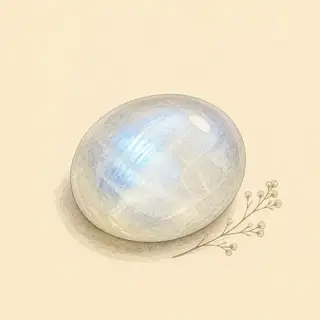
The core moonstone meaning centers on lunar cycles, intuition, and renewal. Crystal practitioners traditionally associate this glowing feldspar mineral with feminine energy and emotional balance. Ancient Roman folklore claimed the stone formed directly from solidified moonlight and contained the image of the goddess Diana. Modern gemology identifies moonstone as a potassium aluminum silicate with a Mohs hardness of 6. The signature blue-white light moving across its surface is an optical effect called adularescence. Jewelers prize transparent stones with a strong blue flash above all other varieties. During the Art Nouveau movement from 1890 to 1910, designers like René Lalique featured moonstone heavily in fine jewelry. Today, crystal users value the stone as a symbolic tool for meditation and personal reflection. Much of the moonstone meaning in circulation today traces back to that lunar association.
| Chakra | Sacral (Svadhisthana) |
| Element | Water |
| Zodiac | Cancer |
| Color | White, Blue sheen, Peach, Gray, Rainbow |
What Does Moonstone's Glow Mean in Crystal Tradition?
Historical traditions connect the stone strictly to the moon and its phases. The sixteenth-century French physician Antoine Mizauld reported owning a moonstone with a white mark that grew and shrank in exact synchronization with the lunar cycle. In Hindu tradition, practitioners consider the gem sacred and believe it brings good fortune. Sellers in India traditionally display the stone only on a yellow cloth, as yellow represents a highly sacred color in that culture. Ancient Greek and Roman societies also linked the glowing gem to their respective lunar deities, Selene and Luna. They believed wearing the stone would grant the protection of these goddesses during nighttime travel. Throughout the Middle Ages in Europe, agricultural communities looked to the gem as a talisman for fertile crops, burying small pieces in their fields before the spring planting. These widespread historical practices cemented the reputation of the stone as a powerful symbol of natural rhythms and agricultural abundance. Beyond agricultural and lunar phase tracking, ancient mariners and merchants highly valued the stone for nighttime travel. Seafarers believed the gem could calm turbulent waters and provide a clear path under the night sky. They often carried small polished pieces in their leather pouches to ensure safe passage across dark oceans. In some coastal communities, women would sew fragments of the stone into the garments of their husbands before long voyages. This specific application of the gem tied its spiritual power directly to the physical light of the moon guiding ships safely into harbor. That thread runs through nearly every later description of the moonstone meaning in Western crystal writing.
Present-day crystal workers use moonstone to symbolize emotional clarity and patience. You can hold the stone during times of transition to represent a calm acceptance of change. The moving light across the surface acts as a visual reminder that feelings are temporary and cyclical. Many people keep the stone nearby when they want to focus on developing their intuition. Practitioners often recommend this gem for those who feel overwhelmed by sudden life shifts, such as a career change or a move to a new city. The soft, glowing appearance of the stone provides a comforting sensory experience during moments of high stress. By meditating with the gem, individuals aim to connect with their subconscious mind and process complex emotions at a gentle pace. This practice encourages a compassionate approach to personal growth and self-reflection. Another vital aspect of the emotional moonstone meaning involves exploring hidden feelings. Practitioners often refer to this process as shadow work, where individuals confront suppressed memories and unexpressed grief. The dark background required to see the blue flash of the gem perfectly represents the need to look into personal darkness to find inner light. By keeping the stone nearby during therapy or deep journaling sessions, users create a safe psychological space for vulnerability. The gentle energy associated with the gem helps prevent the user from becoming entirely consumed by these surfacing emotions, allowing for a steady, manageable release of past trauma.
Zodiac Connection
We pair moonstone with Cancer because this water sign is ruled by the moon in Western astrology. The stone's traditional association with emotional depth mirrors the typical sensitivity and protective nature of a Cancer.
The stories and energy correspondences described on this page represent traditional crystal folklore and do not constitute scientific evidence.
How Can Moonstone Support Everyday Emotional Insight?
Physical Healing
People often incorporate moonstone into evening routines to symbolize restful sleep. George Frederick Kunz wrote in 1913 that gazing uninterrupted at a moonstone could cause a person to fall into a profound sleep. Modern users place the stone on their nightstand as a physical anchor for winding down. The gentle blue sheen provides a calming focal point before bed. In addition to simple placement on a table, some practitioners slip a smooth, tumbled piece directly inside their pillowcase. They believe this close physical proximity throughout the night helps align the body with natural circadian rhythms. Individuals struggling with irregular sleep schedules often hold the cool gem against their forehead for several minutes before turning off the lights. This tactile practice helps lower physical tension in the facial muscles and signals to the nervous system that the day has concluded. This is the setting where most people first encounter the moonstone meaning practitioners teach.
Emotional & Spiritual Healing
The stone serves as a traditional talisman for lovers. Folklore holds that moonstone arouses tender passion and grants romantic partners the ability to read their future together. Today, individuals exchange the gem as a symbolic promise of empathy and mutual understanding. The fragile nature of the feldspar also reminds owners to handle their relationships with care. Crystal healers also apply this calming energy to de-escalate interpersonal conflicts. When arguments arise, holding the cool stone can physically interrupt a heated reaction and provide a moment to breathe. The watery, flowing visual effect of the gem encourages partners to communicate with fluid grace and avoid rigid, defensive posturing. Many couples keep a piece of the stone in shared living spaces to maintain a baseline of domestic harmony and encourage active listening during disagreements.
Chakra Association
Crystal practitioners align moonstone with the Sacral chakra, located just below the navel. They treat this energy center as the source of emotional flow, creativity, and cyclical change. Placing the stone near the lower abdomen is reputed to ease the emotional intensity of life transitions and encourage a healthy acceptance of shifting feelings. The watery nature of this chakra aligns perfectly with the lunar associations of the gem, promoting a gentle release of blocked emotional energy. To actively engage this energy center, users often lie flat on their back and rest a flat palm stone directly on their skin. As they breathe deeply, they visualize a warm orange light mixing with the cool blue flash of the gem. This specific meditation aims to dissolve creative blocks and restore a sense of joy in daily activities. Practitioners believe that clearing the Sacral chakra with this stone allows individuals to experience pleasure without guilt and adapt to new social environments with ease.
This is tradition and practice, not medical, financial, or life advice.
How Do You Use Moonstone Day to Day?
Wearing Moonstone
Jewelers commonly set moonstone in pendants and earrings to protect it from daily wear. The stone has a Mohs hardness of 6 and contains two cleavage planes, making it vulnerable to hard impacts against desks or steering wheels. Wearing it as a necklace keeps the gem safe while allowing the adularescence to catch the sunlight with your natural breathing movements. A silver setting traditionally enhances the cool, lunar tones of the gem and provides a secure bezel to prevent chipping. Crystal practitioners suggest wearing the stone directly over the heart or resting against the collarbone to keep its calming, smooth texture close throughout a busy workday. Worn this way, the moonstone meaning of tracking your own tides travels with you.
Moonstone in Your Home
You can place moonstone in a quiet, dimly lit corner of your bedroom or dedicated meditation space. The visual softness of the stone complements areas filled with plush pillows, warm blankets, and evening wind-down routines. Keep the gem away from cold windowsills or heating vents, as extreme temperature changes might cause it to crack. Many practitioners create a dedicated nighttime display by resting the stone on a small piece of dark velvet or black silk on a bedside table. This dark background emphasizes the internal blue flash and transforms the gem into a peaceful, glowing focal point for the room as you drift to sleep. Positioned this way, the moonstone meaning of emotional insight stays close through the night.
Meditation with Moonstone
Hold a smooth, heavy moonstone palm stone in your non-dominant hand while sitting quietly on a floor cushion. Watch the blue flash move across the surface as you breathe deeply and center your physical awareness on your chest. Practitioners recommend using this shifting visual light to represent the passing of intrusive thoughts and temporary anxieties during your practice. The cool, glassy surface of the polished gem provides a grounding tactile sensation to keep you anchored in the present physical moment. You can gently rub your thumb over the domed top of the stone to establish a steady, comforting rhythm during long, silent meditation sessions.
Cleansing & Charging
Clean your moonstone gently using only lukewarm soapy water and a soft microfiber cloth in a shallow ceramic bowl. The stone is highly sensitive to sudden heat changes and harsh household chemicals that can permanently etch or damage its polished surface. Never place this gem in an ultrasonic or steam cleaner, as the intense mechanical vibrations and boiling heat will cause the internal cleavage planes to fracture. After washing, pat the stone completely dry with a cotton towel to prevent hard water spots from dulling the adularescent sheen. Store the cleaned gem in a soft velvet pouch separate from harder stones like quartz or sapphire to avoid deep, permanent scratches.
Crystal Combinations
Moonstone pairs well with these crystals for complementary energy in crystal healing practice:
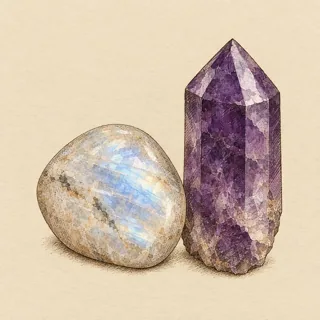
- Amethyst for Amethyst provides a grounding mental clarity that balances the deep emotional flow and Sacral chakra focus of moonstone.
- Rose Quartz for Rose quartz complements the romantic folklore of moonstone by symbolizing unconditional love.
Caring for Moonstone
Cleaning: Warm soapy water and a soft cloth; avoid ultrasonic and steam cleaners.
Avoid: One hard knock at the wrong angle can split this stone clean through. Keep it away from anything you swing, lift or drop, and avoid harsh chemicals and sudden temperature swings.
Your crystal profile
Is Moonstone Your Birthstone?
Month
Day
Moonstone is linked to Cancer. Enter your birthday above to see if it matches your sign.
Pairs well with
Moonstone at a glance
- Also known as
- Adularia
- Tradition
- Lunar cycles and intuition
- Chakra / element
- Sacral chakra, Water element
- In one line
- A feldspar mineral that glows with an internal blue-white light.
- Try this first
- Hold during meditation to symbolize emotional balance.
- Do not
- Ultrasonic cleaners, extreme heat, and hard impacts.
Kunz, The Curious Lore of Precious Stones, 1913, p.98
When to use moonstone
Crystal practitioners recommend this stone for specific moments of transition.
On a Sunday evening in your bedroom
You need to calm your racing mind before a highly demanding work week begins. Place the stone directly on your wooden nightstand and dim the surrounding bedroom lights to a soft glow. Focus your eyes on the internal blue light to soothe your anxious thoughts and physically prepare your body for sleep. The gentle visual presence of the gem serves as a quiet, steady anchor for your entire evening routine.
During a quiet morning at your kitchen table
You are writing in your daily journal about a difficult personal decision regarding your family. Keep the moonstone resting next to your open notebook as a physical symbol of clarity and emotional balance. Let its traditional association with deep intuition guide your written reflection as you carefully weigh your available options. Touching the cool, polished surface of the stone can physically ground your scattered thoughts when you feel overwhelmed by the weight of the choice.
While standing outside under a full moon
You want to test a sixteenth-century historical tradition while standing outside on a completely clear, crisp night. Hold the gem up directly to the moonlight to see if the internal blue glow changes or intensifies in the natural illumination. Traditional folklore claimed the stone could literally reveal the future to lovers who placed it in their mouths during this specific lunar phase. Observing the adularescence under natural night skies provides a direct, sensory connection to the ancient legends surrounding the gem.
Historical disagreements about moonstone
Early twentieth-century jewelers and gemologists debated the proper status of this stone.
The August 1912 birthstone list
In August 1912, the National Association of Jewelers gathered in Kansas City to standardize the country's birthstone calendar. Delegates at that convention adopted a new official list. Pearl became June's primary stone under this new list, with moonstone named as its alternate.
George Frederick Kunz's objection
George Frederick Kunz published his own opinions on the jewelers' list in his 1913 book. He publicly disagreed with several of the new month assignments. For June, Kunz wrote that he preferred the asteria, or star sapphire, over the moonstone as a substitute for the pearl.
Frequently Asked Questions
What is the true moonstone meaning in crystal folklore?
The traditional moonstone meaning focuses on lunar cycles, intuition, and emotional renewal. Crystal practitioners associate this specific feldspar mineral with feminine energy and the acceptance of change. Ancient Romans believed the stone formed directly from solidified moonlight and contained the image of the moon goddess Diana. In Hindu tradition, practitioners consider the gem sacred and believe it brings good fortune. The visual effect of adularescence creates a moving blue-white light inside the stone. Modern users treat this shifting light as a symbolic reminder that emotions and difficult life phases are temporary. Meditating with the gem provides a quiet moment to process these complex feelings at a gentle pace.
How can you tell a real moonstone from a fake?
The most common imitation moonstone is a man-made glass called opalite. You can identify a real moonstone by observing how light interacts with the mineral. True moonstone displays an optical effect called adularescence. This creates a distinct blue or white sheen that moves across the surface as you tilt the stone. Glass imitations typically look uniformly milky or show artificial colors suspended inside the material. Real moonstone is a feldspar mineral with a Mohs hardness of 6 and natural internal inclusions. Jewelers value transparent stones with a strong floating blue flash. Checking for tiny, natural internal fractures known as centipedes can also confirm the authenticity of the gem.
Why is moonstone considered the birthstone for June?
Moonstone became an official June birthstone during a specific historical convention. The National Association of Jewelers met in Kansas City in August 1912 to standardize the birthstone calendar. During this meeting, the organization designated the pearl as the primary stone for June. They simultaneously adopted moonstone as the official alternate stone for the month. The gemologist George Frederick Kunz published a critique of this decision in 1913. He stated that he preferred the star sapphire over the moonstone as a substitute for the pearl, though the jewelers' list ultimately prevailed. This standard list remains the primary reference for modern jewelry retailers across the country.
How should you clean moonstone jewelry?
You must clean moonstone jewelry using only warm soapy water and a soft cloth. The mineral is a variety of feldspar with a Mohs hardness of 6. It contains two cleavage planes, making it highly vulnerable to cracking from hard impacts. You should never place moonstone in an ultrasonic cleaner or a steam cleaner. The stone is also sensitive to extreme temperature changes and harsh chemicals. Jewelers recommend setting the gem in earrings or pendants to protect it from the daily hazards of hand wear. Storing the piece in a separate fabric pouch will prevent harder gemstones from scratching its polished surface.
Who should wear moonstone?
Individuals drawn to water element practices often choose this gem. Crystal astrology holds that wearing a glowing feldspar mineral supports emotional balance. Practitioners traditionally believe the gem connects the wearer to lunar cycles, making it popular for anyone focusing on intuition or sacral chakra meditation.
What zodiac sign is moonstone for?
Astrologers pair this gem with Cancer. This connection aligns perfectly with the water element and the ruling planet of the sign. In traditional folklore, the stone helps Cancerians maintain emotional balance while strengthening their natural intuition. Crystal practitioners often recommend the mineral to those born under this sign to honor their deep ties to lunar cycles.
Primary texts on moonstone
Historical gemologists recorded specific beliefs about this mineral.
- Gazing at a moonstone can induce a profound sleep.
Kunz 1913, p.8
The author notes that individuals who gaze for a long time at gems with a moving light, including moonstones and opals, may become partially hypnotized. - Moonstone serves as a traditional gift to arouse tender passion.
Kunz 1913, p.98
The text records the belief that lovers can read their future by placing the stone in their mouth while the moon is full. - Moonstone was named the official alternate birthstone for June.
Kunz 1913, p.320
The jewelers' association folded this pairing into the same 1912 Kansas City list that reordered several other months' stones.
References
“The safest cleaning methods are also the easiest.”