 BirthstoneMeaning
 Aries Birthstone
 Taurus Birthstone
 Gemini Birthstone
 Cancer Birthstone
 Leo Birthstone
 Virgo Birthstone
 Libra Birthstone
 Scorpio Birthstone
 Sagittarius Birthstone
 Capricorn Birthstone
 Aquarius Birthstone
 Pisces Birthstone
 Peridot Meaning
 Garnet Meaning
 Amethyst Meaning
 Aquamarine Meaning
 Diamond Meaning
 Emerald Meaning
 Pearl Meaning
 Ruby Meaning
 Blue Sapphire Meaning
 Opal Meaning
 Topaz Meaning
 Turquoise Meaning
 Moonstone Meaning
 Tourmaline Meaning
 Citrine Meaning
 Tanzanite Meaning
 Alexandrite Meaning
 Spinel Meaning
 Sardonyx Meaning
 Zircon Meaning
 Lapis Lazuli Meaning
 Rose Quartz Meaning
 Onyx Meaning
 Labradorite Meaning
 Malachite Meaning
 Jade Meaning
 Agate Meaning
 Carnelian Meaning
 Clear Quartz Meaning
 Black Tourmaline Meaning
 Smoky Quartz Meaning
 Sodalite Meaning
 Obsidian Meaning
 Fluorite Meaning
 Selenite Meaning
 Hematite Meaning
 Howlite Meaning
 September Birthstone
Zircon Meaning and Healing Properties Explained
The core zircon meaning centers on physical protection and restful sleep. Historical traditions treated this gemstone as an amulet for safe travel and defense against illness. Modern crystal practitioners value zircon as a grounding stone that connects human awareness to the ancient rhythms of the earth. Zircon holds the title of Earth's oldest known mineral. Geologists discovered a 4.4-billion-year-old zircon crystal in Jack Hills, Australia. This immense geological age gives the stone a strong symbolic association with endurance and deep time. Historical texts rarely used the word zircon. Medieval writers called this stone jacinth or hyacinth. They applied these names to reddish-orange stones that mineralogists later classified as zircon. Modern jewelry buyers most often see blue or colorless zircon created through permanent heat treatment. The zircon meaning discussed in crystal circles has little to do with its geological age.

| Chakra | Crown (Sahasrara) |
| Element | Earth |
| Zodiac | Pisces |
| Color | Blue, Colorless, Yellow, Orange, Red, Green, Brown |
What Is The Spiritual Zircon Meaning?
Medieval European lapidaries recorded extensive folklore about this stone under the name jacinth. St. Hildegard of Bingen, an abbess who died in 1179, prescribed a specific ritual using the gem. She instructed followers to pass a jacinth along a cross cut into hot wheat bread while reciting a formula. The afflicted person would then eat the bread to cure bewitchment. Other traditions held that the stone would lose its color if anyone nearby fell ill. Beyond these specific rituals, medieval society viewed the gem as a general shield against the unpredictable dangers of the era. Merchants and pilgrims carried pieces of rough jacinth sewn into their cloaks to ensure safe passage across hostile territories. The folklore suggested the gem could guarantee a warm reception at unfamiliar inns, offering psychological comfort to weary travelers. This widespread belief transformed the stone into an essential companion for anyone facing the physical vulnerabilities of long journeys. The belief in these protective qualities remained remarkably consistent across centuries of cultural upheaval. Scholars meticulously recorded these folklore traditions, treating the gem as a serious tool for navigating a perilous world. This continuous chain of written history provides modern crystal users with a direct link to ancestral survival strategies. Holding the stone today connects you to a long lineage of travelers who sought comfort in its heavy, reassuring presence. That framing shapes most modern descriptions of the zircon meaning.
You can use zircon to anchor your focus during chaotic periods. Crystal practitioners treat this ancient mineral as a stabilizing weight for the mind. The stone is said to pull scattered thoughts back to the present moment. Working with zircon helps you build a mental boundary against external stress. The immense age of the material also provides a unique perspective on temporary emotional struggles. Holding a stone that formed billions of years ago helps practitioners contextualize their immediate anxieties. When overwhelming grief or sudden life changes threaten your emotional balance, zircon acts as a quiet reminder of endurance. The physical weight of the crystal reinforces a sense of permanence, encouraging you to weather difficult transitions with quiet patience. Crystal workers often turn to zircon when facing deceptive situations or complex emotional manipulation. The sharp double refraction of the gem symbolizes the ability to see through surface appearances and recognize underlying truths. By meditating with this stone, practitioners aim to cut through their own internal biases. This clear-sighted energy encourages honest self-reflection and helps users dismantle unhealthy emotional patterns before they take root.
Zodiac Connection
This site pairs zircon with Pisces because the stone symbolizes deep time, dreams, and intuitive wisdom. Pisceans naturally gravitate toward the subconscious realms of sleep and emotional depth. Zircon traditionally supports this watery energy by anchoring the mind during intense dream work. The historical use of the gem as a sleep aid aligns perfectly with the restorative focus of the Pisces sign.
The historical folklore and crystal energy practices described on this page represent cultural traditions, not scientifically proven medical treatments.
How Do Practitioners Use Zircon Everyday?
Physical Healing
Crystal healers place zircon near the bed to encourage deep rest. The Renaissance polymath Gerolamo Cardano wore a large jacinth specifically to induce sleep. He meticulously recorded his experiments with the gem, noting its effects on his nightly routines. Modern practitioners continue this tradition by keeping the stone on nightstands or slipping a small piece under their pillows. The physical presence of the crystal serves as a focal point for winding down after a highly stimulating day. Beyond sleep support, historical texts linked the stone to general physical preservation. People carried zircon in their pockets during long journeys to symbolize safe passage and ward off exhaustion. The folklore insisted the gem could protect the human body from airborne diseases and sudden environmental hazards. Today, travelers frequently pack a piece of rough zircon in their carry-on luggage to maintain physical stamina across multiple time zones. This is the setting where most people first encounter the zircon meaning practitioners describe.
Emotional & Spiritual Healing
Zircon is reputed to restore confidence after a major personal failure or public setback. The folklore suggests the stone actively repels negative external influences and helps rebuild shattered self-respect. Holding a piece of zircon provides a physical reminder of personal resilience during moments of intense self-doubt. Crystal healers recommend keeping the gem nearby when you need to process feelings of inadequacy or imposter syndrome. The grounding energy of the stone also assists in managing sudden bursts of anger or frustration. Practitioners teach that the immense geological age of the crystal absorbs volatile emotional spikes. Sitting quietly with the gem allows hot tempers to cool into steady, rational thought. This stabilizing effect makes zircon highly valued among those who work in high-stress environments where emotional regulation is essential for daily survival.
Chakra Association
Practitioners associate zircon with the Crown (Sahasrara) chakra to represent a direct connection to ancient, earthly wisdom. They place the stone at the top of the head during focused energy work. This specific placement is believed to clear mental fog and align personal awareness with the broader rhythms of the universe. The high frequency of the crown chakra pairs uniquely well with the deep geological age of the crystal. Working with this chakra point helps users process complex spiritual information while maintaining a firm grip on reality. Healers often use zircon when a client feels disconnected from their physical body due to excessive intellectual or spiritual pursuits. The stone acts as an energetic tether, ensuring that crown chakra activations remain firmly rooted in practical, everyday existence. This balance prevents the dizzying sensation that sometimes accompanies deep meditation.
This is tradition and practice, not medical, financial, or life advice.
How Do You Use Zircon Day to Day?
Wearing Zircon
Set zircon in protective jewelry mountings to prevent damage to the delicate faceted edges of the stone. While the material possesses a Mohs hardness of 7.5, it features a highly brittle structure that chips easily upon accidental impact with a desk or doorframe. Bezel settings offer the best protection for daily wear rings by wrapping the entire outer perimeter of the gem in a solid rim of metal. If you prefer pendant necklaces, choose flat-backed designs where the cool surface of the stone rests directly against your collarbone to minimize swinging. Wearing the gem close to the skin allows you to feel its physical weight and carry its traditional grounding energy throughout your busy afternoon routine. Worn this way, the zircon meaning of quiet endurance travels with you.
Zircon in Your Home
Place a zircon crystal near your front door to act as a symbolic guardian for your main living space. Historical lore frequently described the stone as a defense against sudden lightning strikes, severe winter storms, and infectious disease. Keeping a heavy piece of rough zircon on a wooden hallway console table honors this traditional protective role. You might also position a small tumbled stone directly on your bedroom windowsill to catch the evening light and encourage a peaceful atmosphere for rest. Practitioners believe these strategic placements help establish a clear psychological boundary between the chaotic outside world and your quiet private sanctuary. Kept in view, the zircon meaning of endurance and perspective stays part of the room.
Meditation with Zircon
Hold a small, faceted zircon in your dominant hand while sitting quietly on a floor cushion in a dimly lit room. Close your eyes and focus entirely on the physical sensation of the sharp edges and the cool surface slowly warming against your palm. Visualize the 4.4-billion-year history of the material, tracing its silent journey from the cooling of the early earth to your current evening meditation space. Let the immense geological age of the stone put your immediate daily frustrations into a broader, highly manageable perspective. This tactile grounding practice helps quiet an overactive racing mind and physically prepares the body for deep, restorative relaxation.
Cleansing & Charging
Wash your zircon using only mild, warm soapy water and a soft-bristled baby toothbrush to gently remove accumulated skin oils. You must keep the stone entirely away from commercial ultrasonic cleaners and high-pressure steam machines. The brittle conchoidal fracture of the crystal means intense mechanical vibrations can cause severe internal damage or completely shatter the gem. Rinse the cleaned stone under a slow, gentle stream of room-temperature tap water to wash away all soap residue. Pat the faceted surface completely dry with a lint-free microfiber cloth before carefully returning the piece to a velvet-lined jewelry box.
Crystal Combinations
Zircon pairs well with these crystals for complementary energy in crystal healing practice:
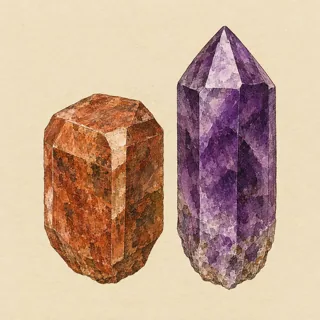
- Amethyst for Practitioners pair these stones to enhance traditional sleep rituals and calm an overactive mind.
- Garnet for Combining these two historical red gems creates a symbolic focus for physical vitality and protection.
Caring for Zircon
Cleaning: Warm soapy water and a soft brush; avoid ultrasonic cleaners.
Avoid: Zircon is brittle with conchoidal fracture, so facet edges chip easily. Handle gently and store separately.
Your crystal profile
Is Zircon Your Birthstone?
Month
Day
Zircon is linked to Pisces. Enter your birthday above to see if it matches your sign.
Zircon at a glance
- Also known as
- Jacinth or hyacinth in medieval lapidaries.
- Tradition
- Protection against lightning and infectious disease.
- Chakra / element
- Crown (Sahasrara) and Earth.
- In one line
- An ancient mineral traditionally carried to ensure safe travel and peaceful rest.
- Try this first
- Keep near the bed to symbolize calm and encourage sleep.
- Do not
- Ultrasonic cleaners and exposed ring settings due to brittle edges.
Kunz, The Curious Lore of Precious Stones, 1913, pp.81-82
When Should You Wear Zircon?
Specific situations call for the grounding presence of this ancient mineral.
Packing your suitcase on a Tuesday night before a long international flight.
Slip a small zircon into a secure zippered pocket of your carry-on bag before heading to the airport. Historical travelers carried pieces of this specific stone to ensure a cordial reception at strange hostelries along highly dangerous routes. Touching the smooth surface of the gem during unexpected mid-air turbulence provides a physical anchor for your rising anxiety. The heavy stone serves as a quiet, tangible reminder of safe passage across vast geographical distances.
Sitting at your kitchen table on a Sunday morning after a stressful work week.
Place a faceted blue zircon directly next to your warm morning coffee cup on the wooden table. Focus your visual attention on the physical weight and the bright double refraction of light bouncing through the stone. Use those specific sensory details to firmly anchor your scattered thoughts in the quiet present moment. This simple grounding exercise helps stop your anxious mind from racing ahead to Monday morning office deadlines.
Lying in your bedroom at midnight struggling to fall asleep.
Move a polished zircon crystal onto your wooden nightstand where you can easily see it resting in the low moonlight. Renaissance scholars actively tested this exact stone as a practical sleep aid during long periods of intense academic study. Let the traditional folklore association with deep rest help you break the frustrating physical cycle of midnight insomnia. Focusing your tired thoughts on the ancient geological history of the gem encourages your brain to finally power down for the night.
Historical Disagreements Over Zircon Lore
Historical writers frequently applied different names to the same physical stones, creating confusion in the folklore record.
The Jacinth Identity Dispute
George Frederick Kunz devoted real attention to a stone he called jacinth in his 1913 survey, describing travelers who carried it as a charm against disease and physical harm. Mineralogists later determined that these historical reddish-orange jacinths were the mineral zircon all along. Ancient writers rarely used the modern scientific name, which makes the exact origin of the belief hard to trace.
Cardano And The Golden Stone
Sixteenth-century scholar Gerolamo Cardano reported wearing a large jacinth to test its reputed sleep-inducing properties. In 1913, George Frederick Kunz documented that Cardano found the stone "seemed to dispose somewhat to sleep, but not much" during his trials. Cardano attributed the weak effect to his gem being golden. He believed a bright red stone would carry the full traditional power.
Frequently Asked Questions
What does zircon mean in spiritual practices?
The spiritual zircon meaning focuses on physical protection, mental grounding, and restful sleep. Medieval folklore treated this stone as a powerful amulet against plague and lightning strikes. Modern crystal practitioners value zircon for its immense geological age. They use the stone to anchor scattered thoughts and build emotional resilience during chaotic times. Historical texts usually refer to this gem as jacinth. The traditions associated with jacinth form the foundation of how people use zircon in symbolic rituals today. Many people find that holding the heavy gem provides immediate psychological comfort when facing uncertainty.
Is zircon the same thing as cubic zirconia?
Zircon and cubic zirconia are completely unrelated materials. Zircon is a natural mineral with the chemical formula ZrSiO₄. Geologists have found natural zircon crystals in Australia that are 4.4 billion years old. Cubic zirconia is a synthetic laboratory creation used as a diamond substitute. The similar names cause frequent confusion in the jewelry market. You can identify natural zircon by its strong double refraction. This optical property makes the back facets of the gem appear doubled when viewed through the top. This visual doubling effect provides a quick way to distinguish the natural ancient stone from a modern synthetic replica.
How do you cleanse and care for zircon jewelry?
You should clean zircon using only warm soapy water and a soft brush. The mineral has a Mohs hardness of 7.5, making it reasonably resistant to scratches. However, zircon has a brittle structure and conchoidal fracture. The edges of a faceted zircon will chip easily if struck against a hard surface. You must keep this stone away from ultrasonic cleaners. The mechanical vibrations from these machines can shatter the gem. Store zircon pieces separately from other jewelry to prevent accidental friction damage. Taking these simple precautions ensures your gem will survive for generations without losing its sharp, reflective edges.
Why is zircon associated with travel protection?
The travel association comes directly from medieval European lapidaries. Early writers recommended carrying a reddish-orange jacinth on long journeys. They believed the stone would protect the wearer from injuries and ensure a cordial reception at unfamiliar inns. Travelers feared illness and physical attacks on the road. The gem served as a psychological comfort object against those specific fears. Modern practitioners continue this tradition by keeping a small piece of zircon in their luggage to symbolize safe passage. This historical reliance on the gem highlights its enduring reputation as a heavy anchor in unpredictable environments.
Who should wear zircon?
Frequent travelers traditionally carry this ancient mineral for protection on the road. In historical folklore, people relied on the stone to guard against lightning and ensure a safe journey. Modern crystal practitioners often place it near the bed to encourage peaceful rest. Wearing the gem is also said to support spiritual connection through the crown chakra.
What zodiac sign is zircon for?
Crystal astrology aligns this historical mineral with Pisces. The sign is deeply connected to spiritual realms, making the stone's association with the crown chakra an ideal match. Followers of crystal lore say the gem provides a grounding earth energy that helps easily distracted Pisceans find calm. Traditionally, the crystal offers them a strong sense of peaceful rest.
Original Texts Documenting Zircon Tradition
Early gemologists preserved the folklore of zircon under its older historical names.
- The stone protected travelers from disease and guaranteed good hospitality.
Kunz 1913, pp.81-82
Kunz notes that jacinth was highly recommended for travelers because people believed it prevented plague infections and secured a warm welcome at inns. - People believed wearing the stone prevented lightning strikes.
Kunz 1913, pp.82-83
The author states it was a matter of common report that no one wearing a jacinth was ever harmed by lightning, even in regions prone to severe storms.
References
“The safest cleaning methods are also the easiest.”